Step into a world of dramatic light, emotional intensity, and gilded grandeur. This guide explores the stunning Baroque masterpieces hidden within Prague Castle, from the massive silver tomb of St. John of Nepomuk to the emotive canvases of the Picture Gallery, revealing the stories and techniques that define this golden era.
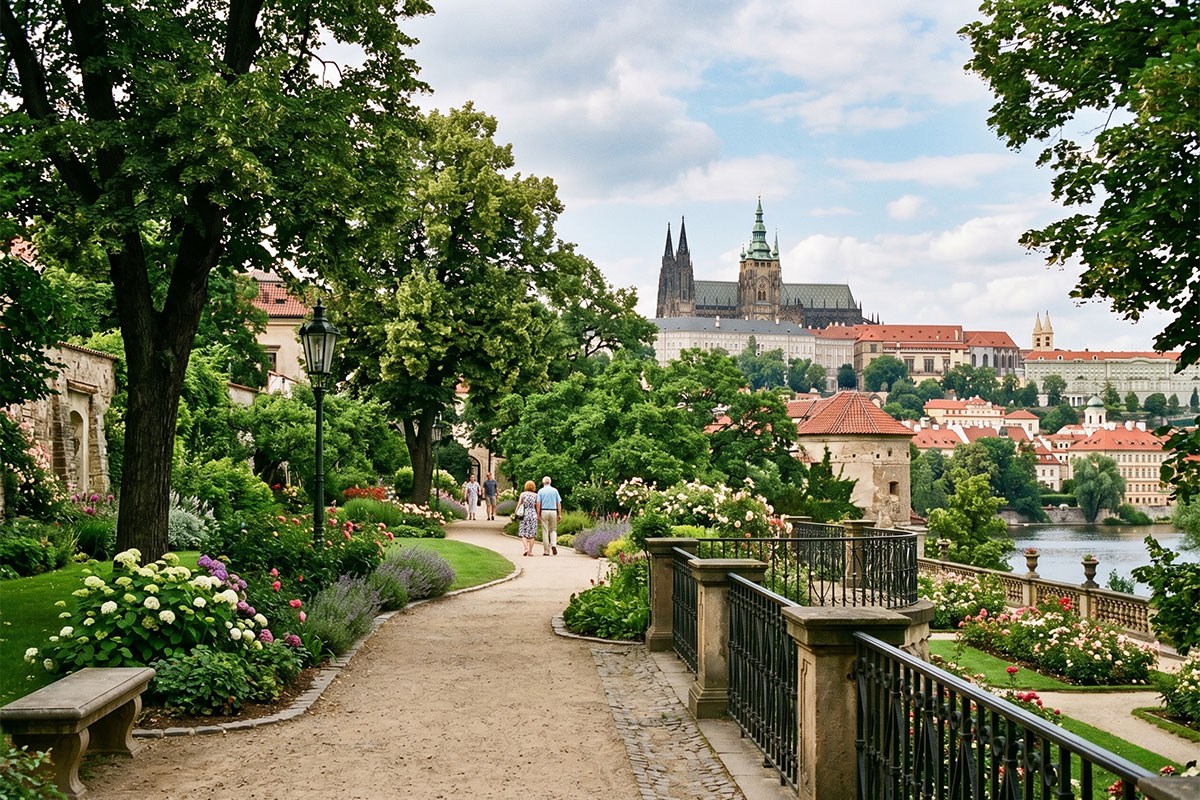
When you stand beneath the imposing silhouette of Prague Castle, your eyes are naturally drawn to the sharp, soaring spires of the Gothic St. Vitus Cathedral. However, stepping through the castle gates reveals a different, equally mesmerizing narrative that transformed this fortress into a royal residence of unparalleled luxury. The Baroque era brought a wave of theatricality, emotion, and gilded splendor to the castle complex, leaving behind a legacy of masterpieces that continue to captivate visitors in January 2026. This artistic movement was not just about decoration; it was a powerful tool used by the Habsburg dynasty to reassert authority and inspire awe through sheer beauty and dramatic storytelling.
The transition from the rigid lines of the Renaissance to the fluid, dynamic forms of the Baroque is evident the moment you cross the castle threshold. While the medieval stones whisper of battles and defense, the Baroque additions speak of glory, faith, and the complexities of the human spirit. Exploring these artworks offers a glimpse into the minds of the brilliant artists who shaped the aesthetic identity of Prague, turning the castle into a living gallery where every shadow and highlight tells a story.
The Matthias Gate: A Grand Baroque Entrance
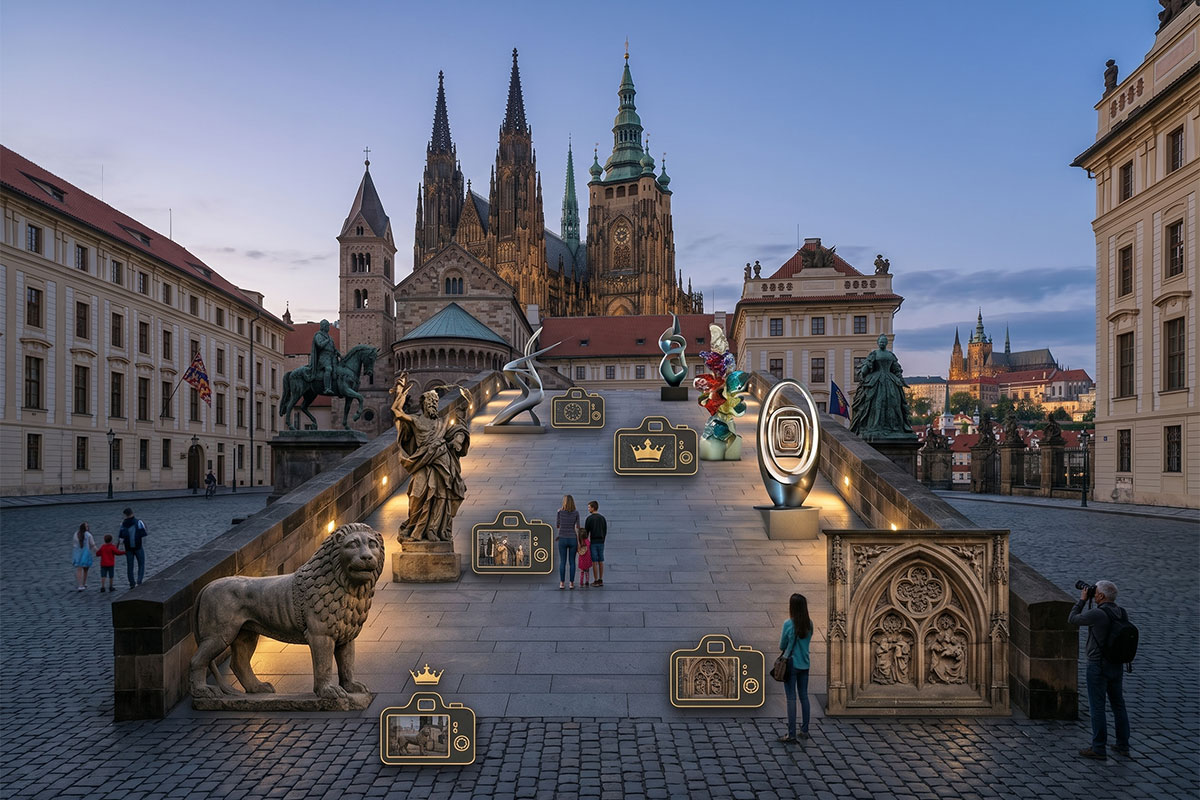
Before you even reach the inner courtyards, the Baroque experience begins with the monumental Matthias Gate (Matyášova brána). Constructed in 1614, this was the first true Baroque structure in Prague, marking a decisive shift in architectural style. Designed by the Italian architect Giovanni Maria Filippi, the gate serves as a triumphant arch that seemingly bridges the gap between the medieval past and the opulent future of the Habsburg court. The stonework here is profound, featuring rustic blocks and refined pilasters that create a sense of weight and permanence.
What makes the Matthias Gate truly fascinating is how it was integrated into the later 18th-century reconstruction under Empress Maria Theresa. It stands as a testament to the layering of history, where the new style didn't destroy the old but rather embraced it. As you pass through, take a moment to look up at the inscriptions and the imperial coat of arms; the play of light and shadow on the sculpted stone gives a preview of the chiaroscuro effects you will encounter in the paintings inside the castle galleries.
The Silver Splendor of St. Vitus Cathedral
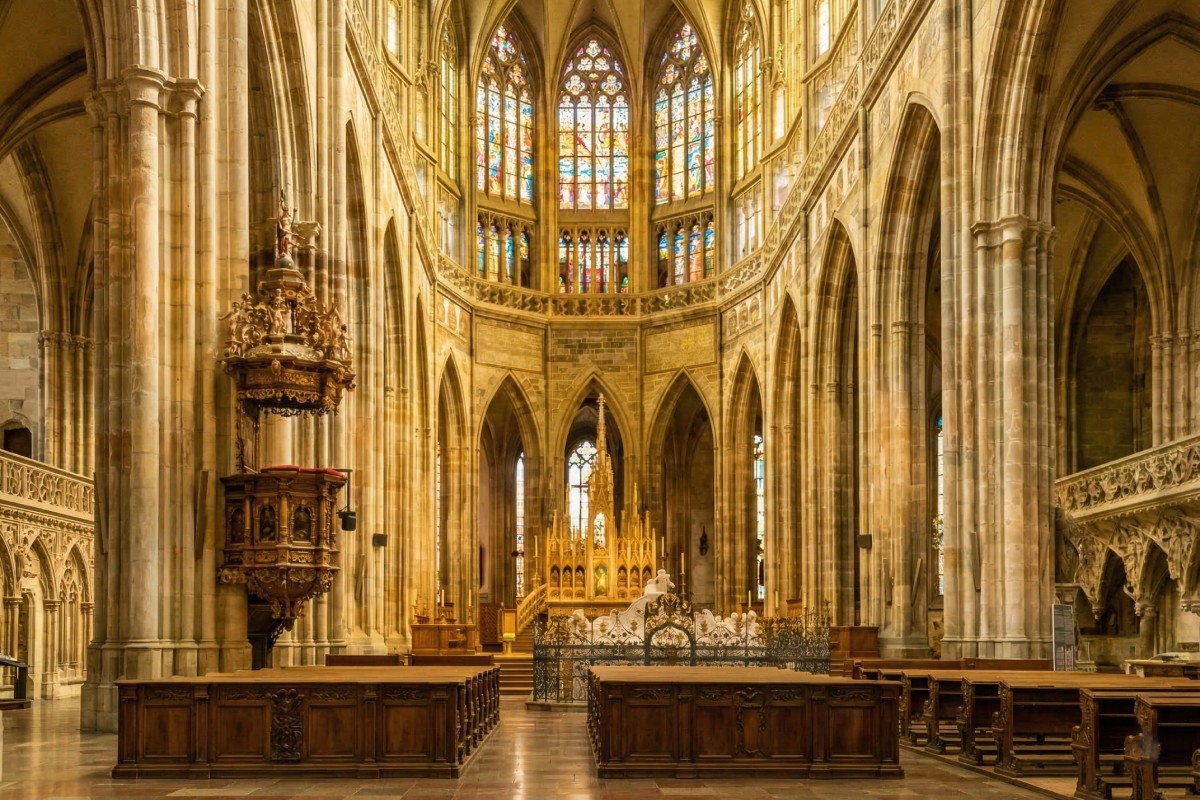
While the exterior of St. Vitus Cathedral is a Gothic marvel, its interior houses one of the most significant pieces of High Baroque metalwork in Central Europe: the Tomb of St. John of Nepomuk. Created in the 1730s, this is not merely a sarcophagus; it is a theatrical performance frozen in silver. Designed by the illustrious Austrian architect Joseph Emanuel Fischer von Erlach and executed by silversmith Antonio Corradini, this masterpiece required approximately two tons of sterling silver to complete.
The visual impact of this tomb is overwhelming and deeply emotional, characteristic of the Baroque aim to evoke awe and piety. The saint stands atop the tomb, kneeling on a coffin supported by angels, while an ornate canopy of red velvet (sculpted in silver) drapes above him. The attention to detail is staggering:
- The Angels: Observe the dynamic poses of the angels lifting the heavy silver drapery; their muscles and feathers are rendered with lifelike precision.
- The Narrative: Reliefs on the pedestal depict scenes from the saint's life and his martyrdom, telling a story of silence and faithfulness.
- The Shield: A small, pink shield on the tomb is said to represent the saint's tongue, which, according to legend, never decayed because he refused to break the seal of confession.
Treasures of the Prague Castle Picture Gallery
Hidden away from the bustling courtyards, the Prague Castle Picture Gallery holds a collection that reflects the refined tastes of Emperors Rudolf II, Ferdinand III, and Leopold I. While the collection spans several eras, the Baroque canvases stand out for their emotional depth and technical brilliance. This gallery is where you can truly appreciate the mastery of light and color that defined the 17th and 18th centuries. The art here is not static; the figures seem to breathe, move, and suffer, drawing the viewer into their personal dramas.
Among the highlights are works by masters who understood the power of the human gaze and the subtlety of shadow. You will encounter paintings that utilize deep, dark backgrounds to push the subjects forward, creating an intimate connection with the viewer. This technique, heavily influenced by Caravaggio, was embraced by Bohemian artists to convey spiritual intensity. The gallery is also a testament to the survival of art; many pieces were dispersed or looted over the centuries, and what remains is a carefully curated selection that honors the castle's history as a center of European culture.
Bohemian Baroque: The Local Masters
It is impossible to discuss the art of Prague Castle without acknowledging the local geniuses who defined the "Bohemian Baroque" style. Artists like Petr Brandl and Karel Škréta brought a unique flavor to the movement, blending Italian influences with a distinct local sensitivity. Their works often feature faces that look remarkably like the people you might pass on the streets of Prague today—rugged, real, and full of character.
Petr Brandl, in particular, is celebrated for his thick impasto technique, where paint is applied so thickly that it adds a three-dimensional texture to the canvas. In the castle's collections and the chapels within the complex, his religious paintings convey a raw, tangible suffering and ecstasy that is far removed from the polished perfection of the Renaissance. These artists didn't just paint scenes; they painted emotions.
Analyzing the Aesthetic: Techniques and Impact
To truly appreciate these masterpieces, it helps to understand the specific techniques that the artists employed to manipulate the viewer's emotions. The Baroque aesthetic at Prague Castle is unified by a desire to dissolve the boundary between art and reality. Whether in stone, silver, or oil paint, the goal was always to create a sense of movement and infinite space.
The following table breaks down the key artistic elements you will observe during your visit and where to find them:
| Artistic Technique | Description | Where to See It |
| Chiaroscuro | Strong contrast between light and dark to create volume and drama. | Paintings by Rubens and Škréta in the Picture Gallery. |
| Theatricality | Compositions designed like a stage set, often with drapery and dynamic poses. | The Tomb of St. John of Nepomuk (Silver drapery). |
| Illusionism (Trompe-l'œil) | Visual tricks that make 2D surfaces appear 3D, expanding the space. | Ceiling frescoes in the castle's ceremonial halls. |
| Emotional Realism | Depicting intense facial expressions to evoke empathy. | Religious canvases by Petr Brandl. |
The Legacy of the Empress
Much of the cohesive Baroque appearance of the castle exterior we see today is due to the massive reconstruction ordered by Empress Maria Theresa in the mid-18th century. Her court architect, Nicolo Pacassi, unified the disparate medieval buildings under a single, grand Baroque facade. While some critics argue this covered up the charm of the older structures, it undeniably gave Prague Castle the majestic, palace-like dominance it holds over the city skyline today.
This architectural unification was the final brushstroke in the castle's Baroque transformation. It created a grand stage for the interior masterpieces, ensuring that the container was as magnificent as the contents. As you walk through the courtyards, notice the repetitive, rhythmic placement of windows and the pale yellow facade—a color scheme that became synonymous with the Habsburg presence in Central Europe.
Visiting Prague Castle is more than a historical tour; it is an immersion into a period where art was the ultimate expression of power and piety. From the gleaming silver of a saint's tomb to the shadowed intensity of a master's canvas, the Baroque treasures here offer a profound connection to the past, reminding us that beauty, in its most dramatic form, is timeless.