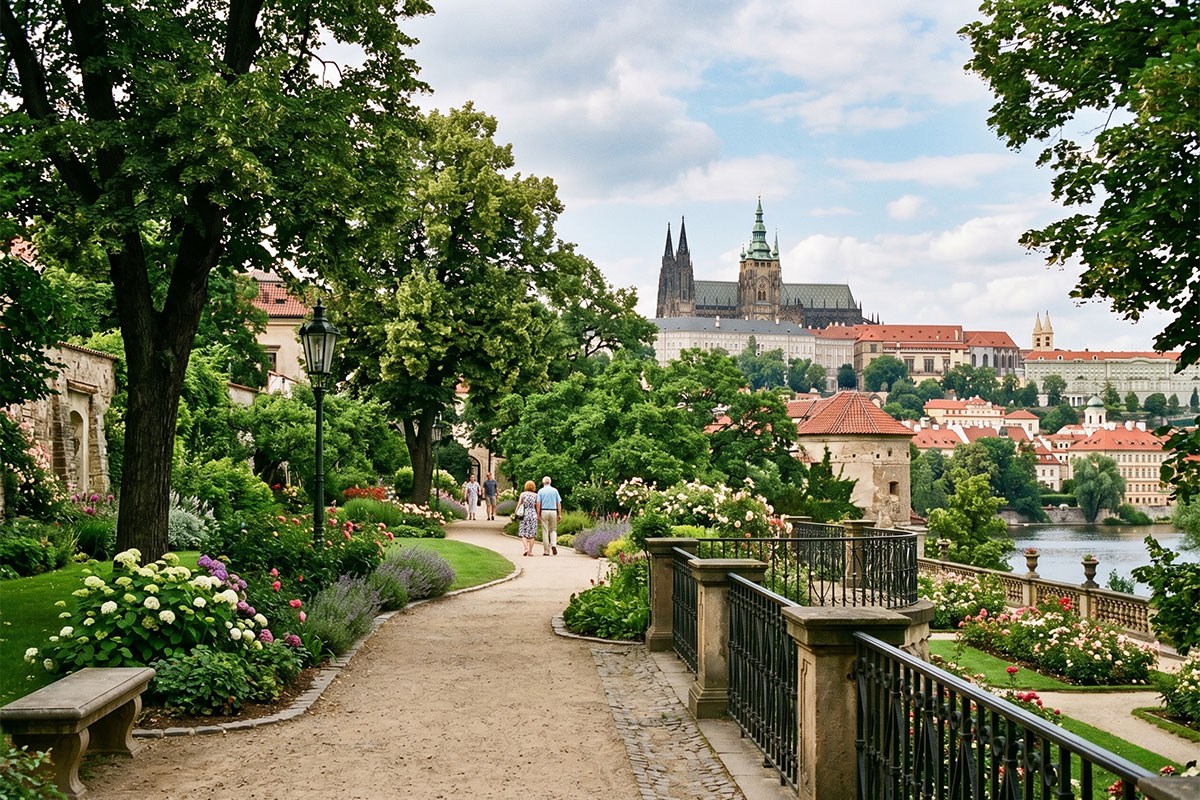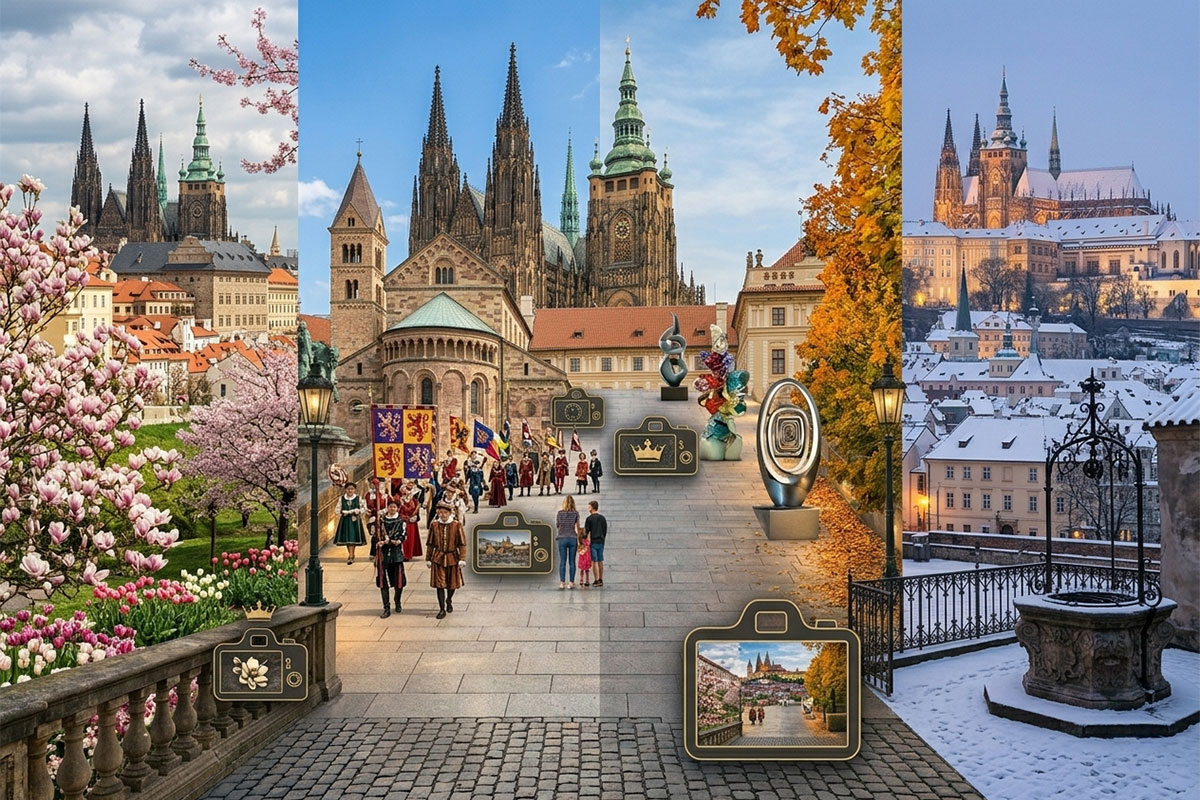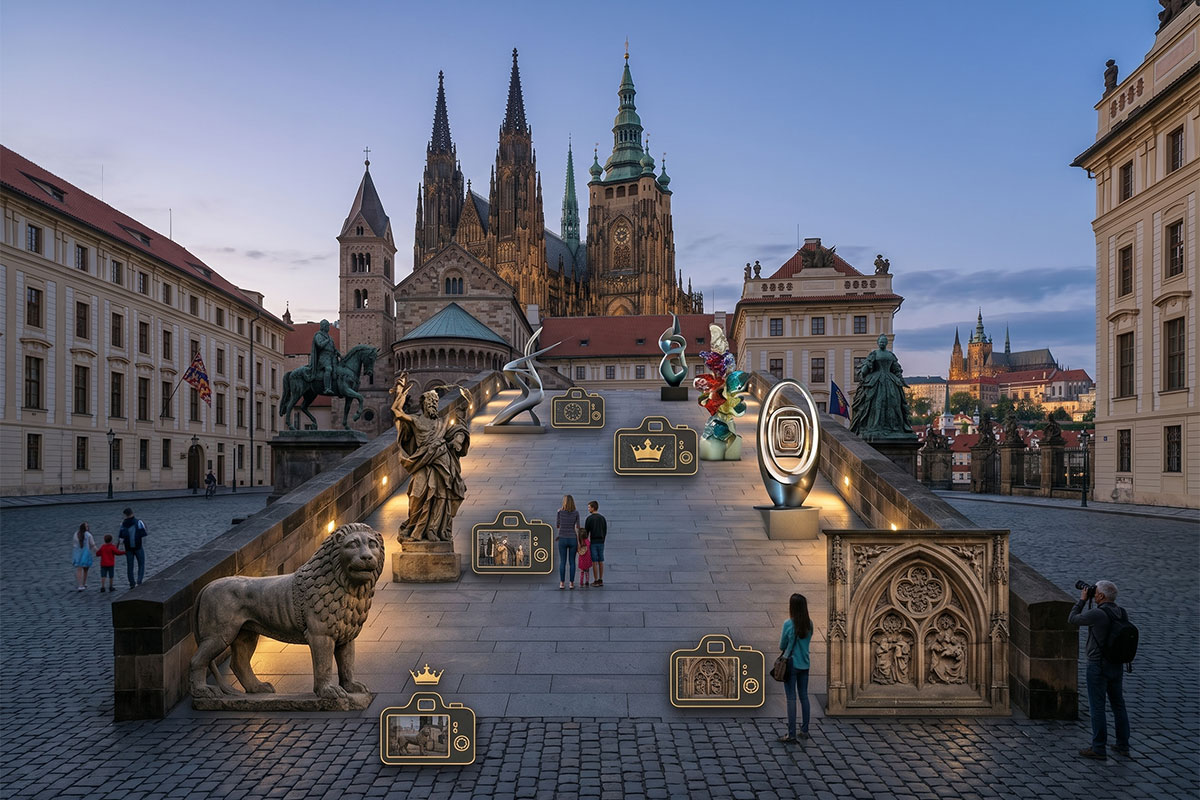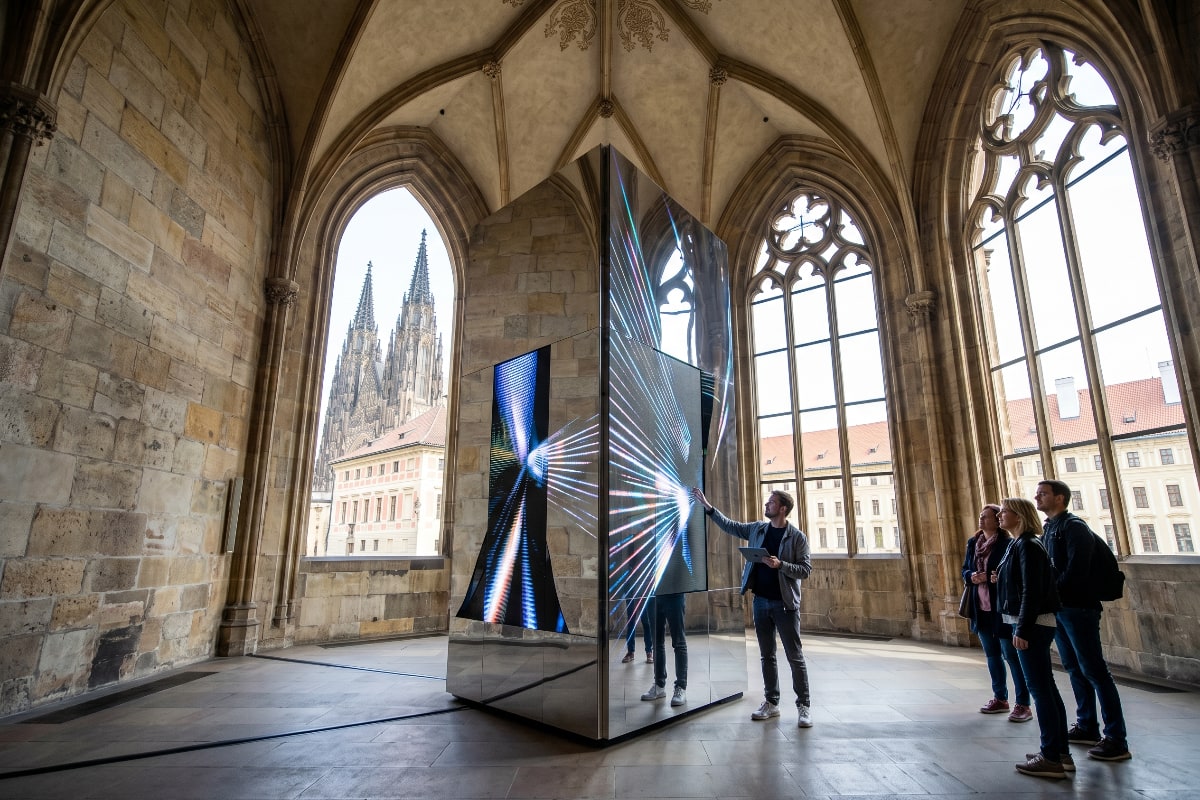
Explore the fascinating juxtaposition of modern creativity within the ancient walls of Prague Castle. This guide delves into how contemporary artists transform historical spaces, creating a dynamic dialogue between the past and the present for visitors in 2026. Discover specific artists and venues.
When you gaze up at the imposing silhouette of Prague Castle against the winter sky of January 2026, your mind likely wanders to kings, emperors, and alchemists of centuries past. It is the largest ancient castle complex in the world, a UNESCO World Heritage site that breathes history through every cobblestone and Gothic spire. However, stepping through its gates reveals a surprising and vibrant secret that often catches travelers off guard. Beyond the medieval fortifications and Baroque facades lies a thriving hub of modern creativity, where contemporary artists are invited to challenge, complement, and redefine the historical narrative. This unique fusion creates an atmosphere where the echoes of the past meet the bold statements of the present.
The experience of viewing avant-garde installations within walls that have stood for a millennium is nothing short of electric. It forces a dialogue between the permanence of stone and the fleeting, often provocative nature of modern art. For the cultural traveler, this isn't just about seeing a museum; it is about witnessing a living, breathing organism that refuses to be trapped in amber. The castle does not merely house art; it interacts with it, creating a tension and harmony that elevates both the architecture and the artworks themselves. Whether it is a massive glass sculpture refracting light in a Renaissance garden or an abstract painting hanging in a hall once used for imperial banquets, the contrast is the true masterpiece.
The Evolution of a Cultural Icon
For decades, Prague Castle was viewed primarily as a fortress of political power, often closed off and stern. However, the narrative began to shift dramatically following the Velvet Revolution. The presidency of Václav Havel, a playwright and dissident, marked a turning point in the castle's cultural identity. He envisioned the complex not just as a seat of government, but as a cultural crossroads for the people. This philosophy laid the groundwork for the dynamic art scene we witness today. By opening the Royal Gardens and specific exhibition halls to modern creators, the administration signaled that Czech history is not a finished book, but an ongoing story.
This legacy of openness has continued to evolve, turning the castle into a prestigious stage for world-renowned contemporary artists. It is a bold statement that suggests heritage preservation does not require stagnation. Instead, by introducing modern elements, the historical context is often highlighted even more sharply. The stark minimalism of contemporary design can draw attention to the ornate details of the surrounding architecture, allowing visitors to appreciate the craftsmanship of both eras simultaneously. This evolution has made the castle a pilgrimage site not just for history buffs, but for serious art critics and enthusiasts from around the globe.
The Role of the Castle Administration
The curation process at Prague Castle is meticulous and intentional. The goal is never to overshadow the historical significance of the site but to enhance it. Exhibitions are chosen based on their ability to converse with the space. Curators look for artists whose work deals with themes of time, memory, structure, and light—elements that resonate deeply within the castle context. This careful selection ensures that every contemporary piece feels like it belongs, even if it stands in stark stylistic contrast to its surroundings.
Iconic Venues for Modern Masterpieces
Prague Castle is not a single building but a sprawling complex of palaces, churches, and halls, each offering a distinct backdrop for art. Understanding these venues helps the visitor appreciate the diversity of the exhibitions. The interplay between the specific architectural style of a venue and the art it houses is central to the experience.
- The Prague Castle Riding School (Jízdárna): This massive Baroque hall is the flagship venue for major retrospectives and large-scale installations. Its high ceilings and ample natural light make it perfect for monumental paintings and sculptures that require breathing room. Imagine, for instance, a retrospective of *David Černý's* provocative sculptures filling the space, their bold forms echoing the grandeur of the hall.
- The Belvedere (Queen Anne’s Summer Palace): A masterpiece of the Renaissance, this venue often hosts more delicate or avant-garde exhibitions. The surrounding Royal Garden allows for outdoor sculpture installations that merge art with nature. Picture *Stanislav Libenský and Jaroslava Brychtová's* delicate glass sculptures catching the sunlight, blurring the lines between art and nature.
- The Imperial Stables (Císařská konírna): Located on the ground floor of the northern wing, this space is rawer and more atmospheric. The heavy vaulting and stone walls create a dramatic, almost cavernous setting ideal for immersive light installations or photography. Consider how *Federico Díaz's* interactive light installations might transform the space, creating an ethereal and captivating experience.
- The Ball Game Hall (Míčovna): Situated in the Royal Garden, this sgraffito-adorned building offers a stunning Renaissance backdrop. It is frequently used for sculpture exhibitions where the three-dimensional nature of the art plays off the geometric patterns of the architecture. Think of *Magdalena Jetelová's* large-scale wooden sculptures engaging in a visual dialogue with the hall's intricate facade.
A Dialogue in Glass and Stone
One cannot discuss contemporary art at Prague Castle without mentioning the profound connection to Czech glass art. The Czech Republic has a legendary reputation for glassmaking, and the castle has been a primary showcase for this medium. The ethereal, light-transmitting quality of glass provides a perfect counterpoint to the heavy, opaque masonry of the castle walls. Works by masters who manipulate light and texture often find their way into these halls, creating a spiritual atmosphere that aligns with the site's history.
In recent years, the trend has moved towards large-scale glass installations that dominate the space while remaining fragile and translucent. These exhibitions are particularly magical during the winter months, like January, when the early sunset allows the illuminated glass to glow warmly against the cold stone. It serves as a reminder of the fragility of human endeavor against the backdrop of enduring history. The following table illustrates the types of artistic interactions you might encounter in different parts of the complex:
| Venue | Atmosphere | Typical Art Forms | Visitor Experience |
| Riding School | Grand, Spacious, Baroque | Large canvas paintings, monumental sculptures | Awe-inspiring scale, museum-quality lighting |
| Belvedere | Elegant, Airy, Renaissance | Conceptual art, delicate installations, fashion | Poetic, intertwined with garden views |
| Imperial Stables | Intimate, Shadowy, Historic | Photography, glass art, multimedia | Moody, contemplative, focused |
| Deer Moat | Natural, Rugged, Hidden | Land art, environmental sculptures | Discovery-based, blending with nature |
The Philosophy of Contrast
Why does this mixture of the ultra-modern and the ancient work so well? The answer lies in the philosophy of contrast. When a sleek, metallic abstract form is placed against a crumbling Gothic wall, both elements are energized. The wall looks older, more textured, and more grounded. The sculpture looks shinier, more futuristic, and more alien. This visual tension keeps the viewer's brain engaged. You aren't just passively consuming history; you are actively processing the relationship between two different epochs.
Furthermore, contemporary artists often address themes that are relevant to the modern visitor—identity, globalization, technology—within a setting that represents tradition and continuity. This prompts us to ask difficult questions: How has society changed? What values have we kept, and what have we discarded? Standing in the Vladislav Hall or the adjacent galleries, surrounded by the weight of the past and the shock of the new, is a profound way to reflect on the passage of time.
Practical Tips for the Art Lover
Visiting Prague Castle with a focus on contemporary art requires a slightly different approach than the standard tourist route. Here is how to make the most of your cultural excursion in 2026:
- Check the Temporary Exhibitions Schedule: The permanent collections are magnificent, but the contemporary shows are often temporary. Before you go, look specifically for what is showing at the Riding School and the Belvedere.
- Timing is Everything: To truly appreciate the art without the crowds, visit early in the morning or later in the afternoon. The silence of the halls enhances the contemplative nature of modern art.
- Look for 'Interventions': Sometimes, art isn't in a gallery but installed directly in public spaces, courtyards, or gardens. Keep your eyes open for sculptures that might be tucked away in the Deer Moat or the courtyards.
- Combine with Architecture: Don't rush. Spend time looking at how the artwork is positioned relative to the windows and the architectural features. The curators spend weeks planning these sightlines.
Ultimately, the inclusion of contemporary artists at Prague Castle is a testament to the city's enduring vitality. It proves that Prague is not a museum city trapped in the past, but a forward-looking capital that honors its heritage while boldly embracing the future. As you walk through these ancient halls, let the art challenge your perceptions and bridge the gap between the centuries.