Discover how Prague Castle has served as a timeless muse for filmmakers and authors alike. From Hollywood blockbusters like Mission: Impossible to the existential works of Franz Kafka, explore the cultural footprint of this architectural marvel, enriched by its millennium-long history.
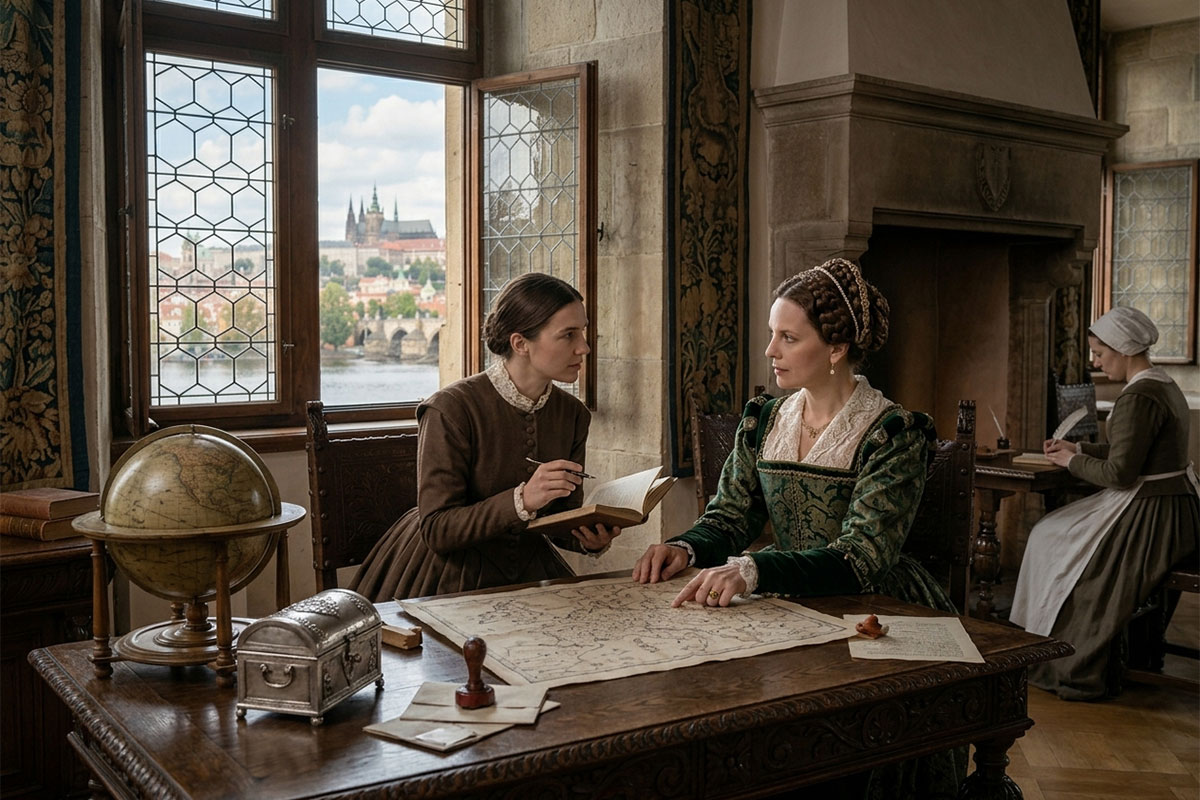
When you stand on the banks of the Vltava River and look up at the Hradčany district, the skyline is dominated by a silhouette that feels ripped straight from a fairy tale or a gothic novel. Prague Castle is not merely a collection of palaces and ecclesiastical buildings; it is a living, breathing character that has witnessed centuries of drama, romance, and intrigue. Its spires pierce the sky, and its courtyards hold secrets that have inspired countless artists across generations. For travelers and culture enthusiasts, walking through the castle complex is like stepping onto a movie set or turning the pages of a classic book. It is this very atmosphere—a blend of grandeur and mystery—that has cemented Prague Castle’s status as a formidable icon in popular culture.
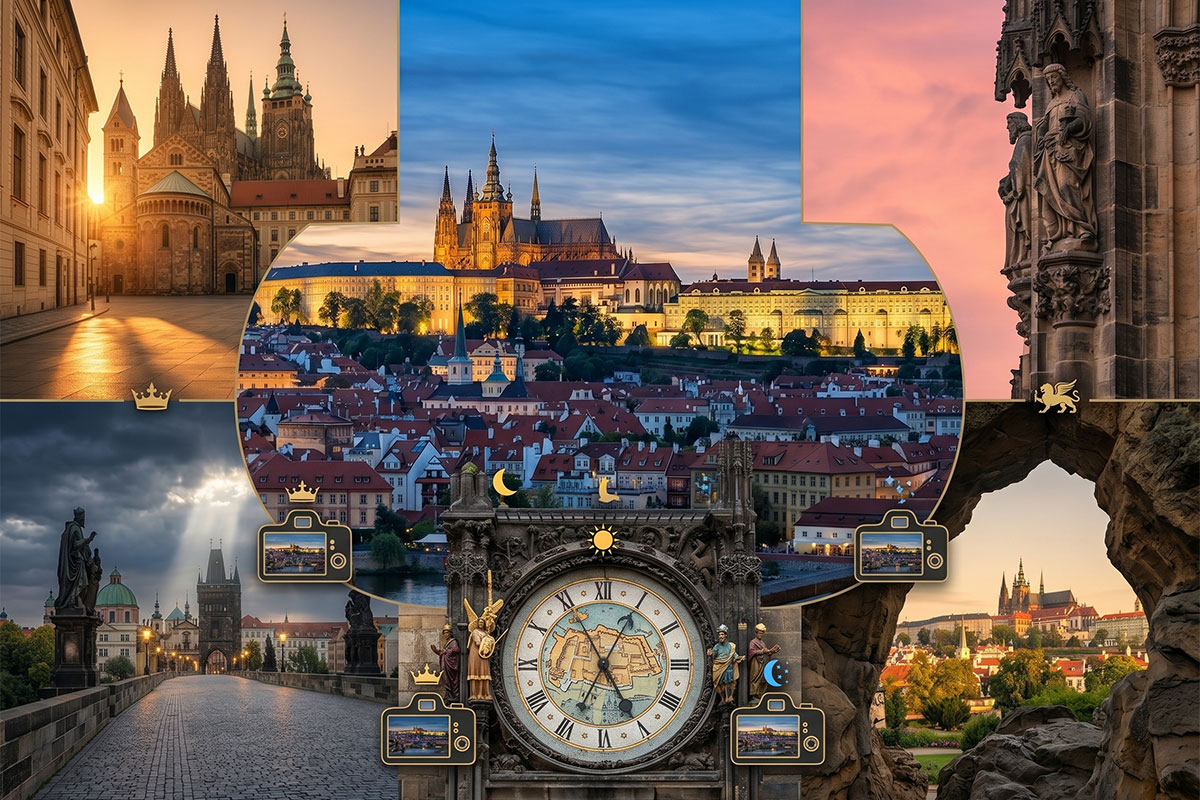
The castle’s ability to transform itself is arguably its greatest strength as a backdrop. Depending on the lighting and the angle, it can appear as a beacon of hope, a symbol of oppressive power, or a romantic haven. This versatility has drawn directors from Hollywood and Europe, as well as literary giants who found their muse within its ancient walls. Whether it is standing in for 18th-century Vienna, serving as the headquarters for spy operations, or acting as the allegorical center of bureaucratic nightmares, the castle transcends its physical stone and mortar to become a narrative force. As we move through January 2026, the allure of this UNESCO World Heritage site remains as potent as ever, continuing to capture the imagination of storytellers worldwide.
Before delving into its cinematic and literary portrayals, it's worth noting that Prague Castle boasts a rich history spanning over a millennium. Founded in the 9th century by Prince Bořivoj, the castle has served as a seat of power for Bohemian kings, Holy Roman emperors, and presidents of Czechoslovakia and the Czech Republic. This historical weight contributes significantly to the castle's imposing presence and its enduring appeal as a symbol of Czech identity.
The Cinematic Allure of Prague Castle
Filmmakers have long recognized that Prague Castle offers production value that no soundstage can replicate. The intricate details of the Gothic architecture, particularly St. Vitus Cathedral, provide a texture and depth that CGI struggles to emulate. The castle complex is massive, holding the Guinness World Record for the largest ancient castle in the world, which means it offers an endless variety of settings. From the vast courtyards suitable for military parades in historical dramas to the narrow, shadowy lanes perfect for cloak-and-dagger espionage thrillers, the location is a director's dream. It is fascinating to see how the castle is utilized; sometimes it plays itself, proudly showcasing its Czech heritage, while other times it is a chameleon, masquerading as other European capitals.
The aesthetic of the castle leans heavily into the dramatic. The interplay of light and shadow in the Golden Lane or the imposing facade of the Old Royal Palace creates a natural tension that films rely on. This is why you will often find the castle featured in genres ranging from high-octane action to moody period pieces. The visual language of Prague Castle speaks of history, power, and endurance, themes that resonate universally with audiences. When a character walks beneath the castle's archways, the audience immediately understands the gravity of the scene without a single word of dialogue being spoken.
Hollywood Blockbusters and Spy Thrillers
Perhaps the most famous modern introduction of Prague to the global movie-going audience came with the spy genre. The labyrinthine streets surrounding the castle and the grandiose interiors fit the espionage narrative perfectly. Mission: Impossible (1996) is a prime example where the city and its castle were not just background noise but integral to the plot. The film utilized the atmospheric tension of Prague to set the stage for betrayal and suspense. The stark contrast between the classic architecture and modern spy gadgetry created a visual style that defined the franchise's early identity.
Another significant entry is Casino Royale (2006). While James Bond is a globetrotter, the production used Prague and its environs extensively. Although some scenes were meant to depict other locations, the distinct architecture of the area often gives it away to the keen observer. The castle’s surroundings evoke a sense of old-world money and clandestine meetings, fitting perfectly with the high-stakes poker and political intrigue of the Bond universe. Similarly, Spider-Man: Far From Home (2019) brought the Marvel Cinematic Universe to the Czech capital. The film showcased the romantic and picturesque side of the city, with the castle looming in the background during the Carnival of Lights sequence, grounding the superhero fantasy in a very real, historic setting.
The recent film Jojo Rabbit (2019), while primarily set in Germany, also utilized Prague's architecture, including areas around the castle, to create a believable wartime atmosphere. The historical backdrop lends authenticity to the film's satirical portrayal of Nazi Germany.
Gothic Horror and Historical Fantasy
Beyond spies and superheroes, Prague Castle is the spiritual home of the Gothic aesthetic. Its darkened corners and gargoyles make it the ideal setting for horror and dark fantasy. Van Helsing (2004) used the city's dramatic skyline to evoke a world where vampires and monster hunters clash. The castle's profile fits seamlessly into narratives involving the supernatural, providing a sense of scale and ancient dread that is hard to find elsewhere. The movie The Illusionist (2006), set in turn-of-the-century Vienna, was largely filmed in Prague. The castle and its surrounding districts stood in for the Austrian capital, proving that the architectural lineage of the Austro-Hungarian Empire allows Prague to seamlessly represent the imperial grandeur of Central Europe.
The series Carnival Row (2019-), though a fantasy series, used Prague and its architecture extensively to create a believable Victorian-era city with a touch of the fantastical. The castle's imposing structure can be seen in the background of many scenes, adding to the atmosphere of the show.
| Movie Title | Genre | Role of Location | Atmosphere |
| Mission: Impossible | Action / Spy | Setting the scene for the opening mission and betrayal. | Tense, foggy, noir-like. |
| Casino Royale | Action / Thriller | Doubled for various locations; showcased historic grandeur. | Sophisticated, old-world luxury. |
| Van Helsing | Fantasy / Horror | Provided the gothic backdrop essential for the vampire lore. | Dark, brooding, supernatural. |
| The Illusionist | Period Drama | Stood in for Imperial Vienna. | Romantic, mysterious, imperial. |
| Spider-Man: Far From Home | Superhero | Featured as a romantic and chaotic backdrop during the festival. | Vibrant, picturesque, grand. |
| Jojo Rabbit | Comedy/Drama | Provided a believable wartime backdrop. | Authentic, historical, somber. |
A Literary Muse: The Castle in Books
While films capture the visual splendor of Prague Castle, literature captures its soul. For centuries, writers have lived in the shadow of the castle, and its presence has seeped into their ink. The castle in literature often represents something larger than life—an authority, a mystery, or an unattainable goal. The winding paths leading up to the castle gates serve as a metaphor for life’s struggles, while the thick walls symbolize the secrets kept by those in power. Reading books set here adds a layer of psychological depth to a visit, allowing travelers to see the stones not just as architecture, but as solidified emotion.
Franz Kafka and The Castle
No discussion of Prague Castle in literature is complete without mentioning Franz Kafka. Although he never explicitly names Prague in his unfinished masterpiece The Castle (Das Schloss), the connection is undeniable. Kafka lived in the Golden Lane (Zlatá ulička) at house number 22 for a period, right within the castle complex. The novel depicts a protagonist, K., who struggles endlessly to gain access to the mysterious authorities governing a village from a castle above. The bureaucracy, the alienation, and the towering, unreachable nature of the castle in the book mirror the real-life imposing presence of Prague Castle over the city.
Kafka’s work transforms the castle into a symbol of existential anxiety. It is not a place of fairy tales, but a labyrinth of rules and invisible barriers. For the literary traveler, walking up the Nerudova street toward the castle gates can feel like stepping into K.’s shoes. The sheer scale of the buildings and the intricate, often confusing layout of the courtyards evoke the surreal atmosphere Kafka described. It is a testament to the power of the location that it could inspire such profound philosophical questions about authority and the human condition.
Contemporary and Historical Narratives
Beyond Kafka, the castle appears in numerous other works that explore the magic and history of Prague. The city is often portrayed as a threshold between the magical and the mundane, with the castle acting as the anchor. In works of historical fiction, the castle serves as the stage for the defenestrations, the reign of Rudolf II, and the alchemists who once sought the Philosopher's Stone in these very courtyards. Writers like Leo Perutz have delved into this mystical past, weaving stories where the castle walls hide golems and emperors obsessed with the occult.
Another notable example is 'The Emperor's Physician' by Pär Lagerkvist, which, though not exclusively set in Prague, features Rudolf II and his court, bringing the castle's historical and intellectual atmosphere to life. The novel explores the emperor's eccentricities and the scientific and occult pursuits that flourished within the castle walls during his reign.
- The Golem Legend: Many stories revolving around the Golem of Prague feature the castle as the seat of the emperor who interacts with Rabbi Loew.
- Cold War Fiction: Numerous spy novels use the castle as a backdrop for the grim reality of the Iron Curtain era, contrasting its beauty with political tension.
- Modern Fantasy: Contemporary urban fantasy novels often use the castle as a nexus of magical power, hiding secret societies within the St. Vitus Cathedral.
Visiting the Sets: A Traveler’s Perspective
For the modern traveler, visiting Prague Castle is an opportunity to bridge the gap between fiction and reality. Walking through the courtyards, you can easily imagine the camera crews setting up for a blockbuster or a brooding author jotting down notes in a notebook. The Golden Lane is particularly evocative; knowing that Kafka wrote there changes the experience from a simple sightseeing tour to a literary pilgrimage. The small, colorful houses seem almost too quaint to be real, yet they hold a heavy literary history.
When visiting St. Vitus Cathedral, look closely at the gargoyles and the flying buttresses. These are the details that directors zoom in on to establish a mood of ancient mystery. The South Gardens offer a panoramic view of the city that has been used in countless establishing shots to tell the audience, 'We are in the heart of Europe.' Whether you are a film buff looking for the exact spot where a spy chase ended, or a book lover seeking the melancholic atmosphere of Kafka’s world, Prague Castle delivers an experience that is deeply layered. It is a place where every stone has a story, and every shadow might hide a camera or a character waiting to be written.