A comprehensive guide for travelers planning their maiden voyage to the world's largest ancient castle. Discover the best times to visit, must-see historical sites, and practical logistics to navigate the Prague Castle complex like a pro.
Stepping into the Prague Castle complex feels like walking through a time portal that spans over a thousand years of European history. As the largest ancient castle in the world, this UNESCO World Heritage site dominates the city skyline, offering a silhouette that has inspired writers, artists, and dreamers for centuries. For a first-time visitor, the sheer scale of the grounds—spanning roughly 70,000 square meters—can be both breathtaking and slightly overwhelming. It is not merely a single building but a sprawling city within a city, comprising palaces, ecclesiastical buildings, fortifications, and quaint alleyways. To truly appreciate the magic of this Bohemian jewel without getting lost in the crowds or missing the hidden details, a bit of strategic planning is essential.
The experience of visiting the castle changes significantly depending on how you approach it, quite literally and metaphorically. Whether you are looking for the spiritual silence of Gothic cathedrals, the military precision of the castle guard, or the literary echoes of Franz Kafka, every corner holds a story waiting to be discovered. This guide is designed to help you navigate the cobblestones with confidence, ensuring your first ascent to the castle is as majestic as the views it offers over the City of a Hundred Spires.
Choosing the Best Time to Visit
Timing is everything when it comes to exploring such a popular landmark, especially as travel to Central Europe continues to thrive in 2026. The castle grounds are open from early morning until late evening, but the historical buildings have shorter operating hours. To avoid the densest crowds, the golden rule is to arrive either right when the interiors open at 9:00 AM or later in the afternoon, around 3:00 PM. The morning light hitting the stained glass in St. Vitus Cathedral is a spiritual experience, while the late afternoon offers a softer, more romantic atmosphere as the sun begins to dip towards Petřín Hill.
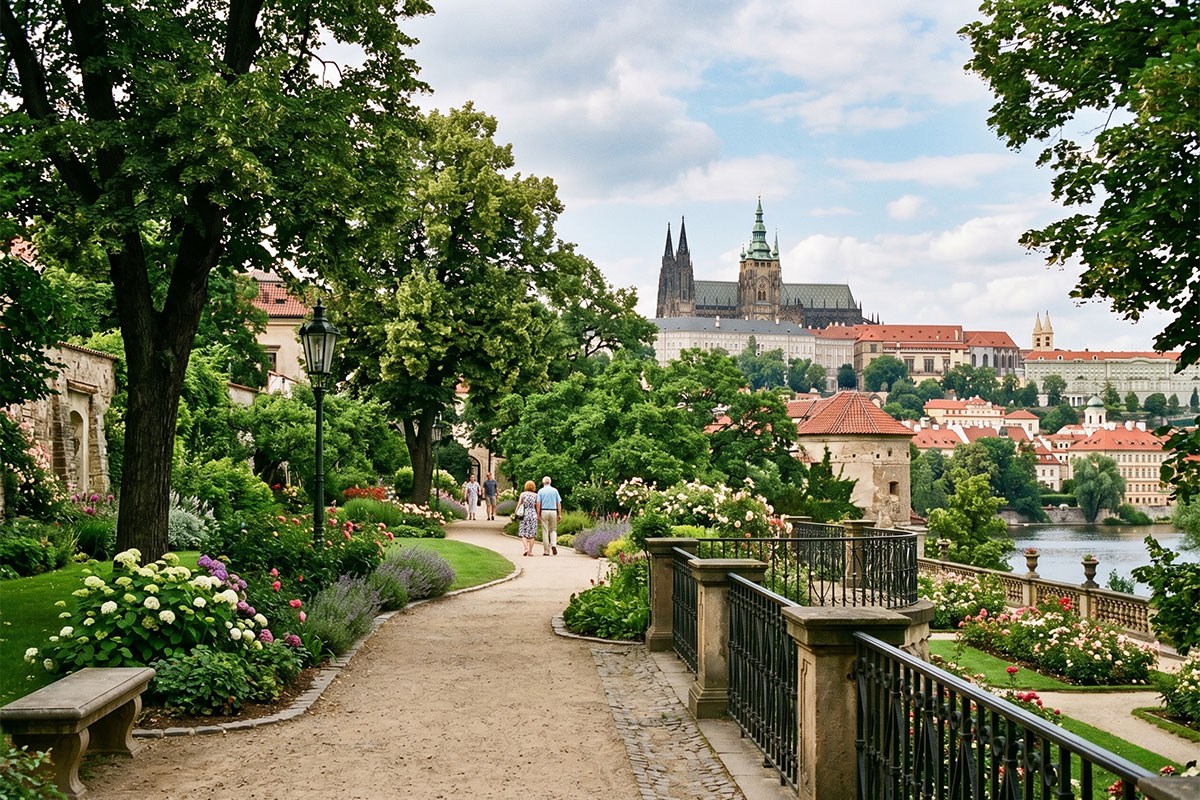
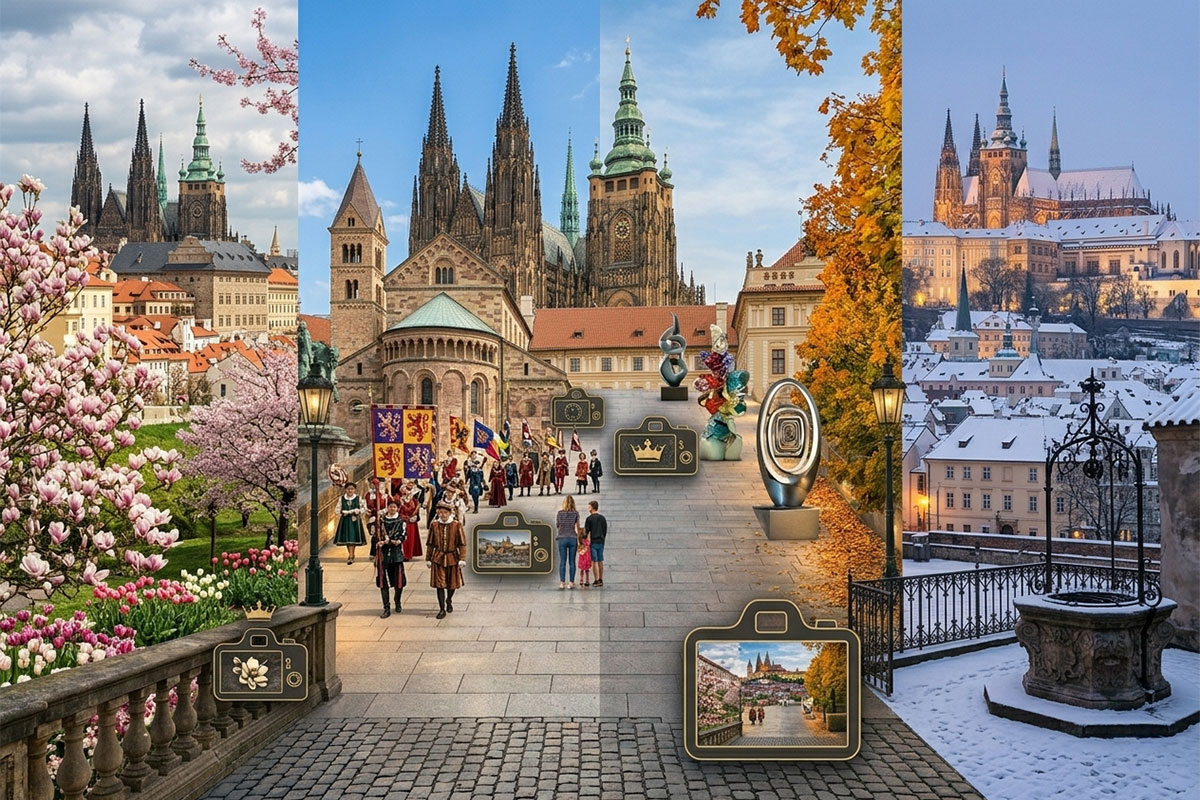
Seasonality also plays a massive role in the atmosphere of the complex. While summer brings vibrant garden blooms and extended daylight, the cooler months offer a moody, atmospheric charm that fits Prague's Gothic aesthetic perfectly. If you are visiting during the winter, be prepared for brisk winds on the hill; however, the trade-off is often a more solitary and reflective experience in the Golden Lane and the Old Royal Palace.
Must-See Attractions Within the Complex
With so much to see, it is easy to suffer from museum fatigue if you try to do everything. Focus your energy on the core sites that define the castle's history and architectural grandeur. These locations provide the most comprehensive narrative of Czech history, from the days of kings and emperors to modern presidencies.
St. Vitus Cathedral
This is the undisputed crown jewel of the complex and the spiritual heart of the Czech Republic. Taking nearly 600 years to complete, the cathedral is a fascinating blend of Gothic, Renaissance, and Baroque styles. Don't just look up at the vaulted ceilings; pay close attention to the stained glass windows, particularly the one designed by Art Nouveau master Alfons Mucha. His distinct style stands out with vibrant blues and golds, casting a surreal light into the nave. Additionally, the St. Wenceslas Chapel, encrusted with semi-precious stones, is a marvel that demands a moment of silent appreciation.
The Old Royal Palace
While the cathedral impresses with height and light, the Old Royal Palace impresses with the weight of history. The centerpiece here is the Vladislav Hall, famous for its intricate late-Gothic vaulted ceiling that looks like intertwined dry branches. This massive hall was once used for coronation banquets and even indoor jousting tournaments—you can still see the rider's staircase, designed with wide, shallow steps to allow knights to enter on horseback. Walk through to the Bohemian Chancellery to see the window associated with the Defenestration of Prague in 1618, an event that sparked the Thirty Years' War.
The Golden Lane
For a complete change of scale, head to the Golden Lane. This narrow street is lined with tiny, colorful houses built into the castle fortifications. Originally constructed for castle guards in the 16th century, legends say alchemists later lived here trying to turn lead into gold. Today, these miniature homes serve as period museums and souvenir shops. A must-visit is House No. 22, where the famous writer Franz Kafka lived and wrote for a brief period. The contrast between the grand palaces and these humble dwellings provides a unique glimpse into the daily life of the castle's past inhabitants.
Navigating Tickets and Entrances
Understanding the ticketing system is crucial because the castle grounds themselves are free to enter, but the historical interiors require a ticket. Most visitors opt for the main circuit tickets, which cover the essential interiors. It is highly recommended to purchase your tickets online in advance to skip the ticket office queues, although you will still need to go through security screening.
Here is a quick breakdown of what to expect regarding access and time management:
| Feature | Details | Recommended Duration |
| Castle Grounds (Courtyards) | Free access to walk through courtyards and gardens (in season). | 45 - 60 Minutes |
| Main Circuit Ticket | Includes St. Vitus Cathedral, Old Royal Palace, St. George's Basilica, Golden Lane. | 2.5 - 3.5 Hours |
| Tower Climb | Great South Tower of St. Vitus (requires separate admission). | 30 - 45 Minutes |
| Security Checks | Mandatory at all entrances. Fastest entry is usually from the Deer Moat side (summer) or the Eastern Gate. | 10 - 30 Minutes (varies) |
Practical Tips for a Smooth Visit
To ensure your visit remains a pleasure rather than a logistical struggle, keep a few practicalities in mind. First and foremost, wear your most comfortable walking shoes. The castle complex is paved with uneven cobblestones that can be unforgiving on thin soles or heels. You will be doing a significant amount of walking, much of it on inclines or uneven surfaces.
Security checks are mandatory at all entrances to the castle complex. To speed up this process:
- Avoid bringing large backpacks or luggage; stick to a small day bag.
- Have your metal items ready to place in the tray if requested.
- Be aware that prohibited items include weapons of any kind, including small pocket knives often found on keychains.
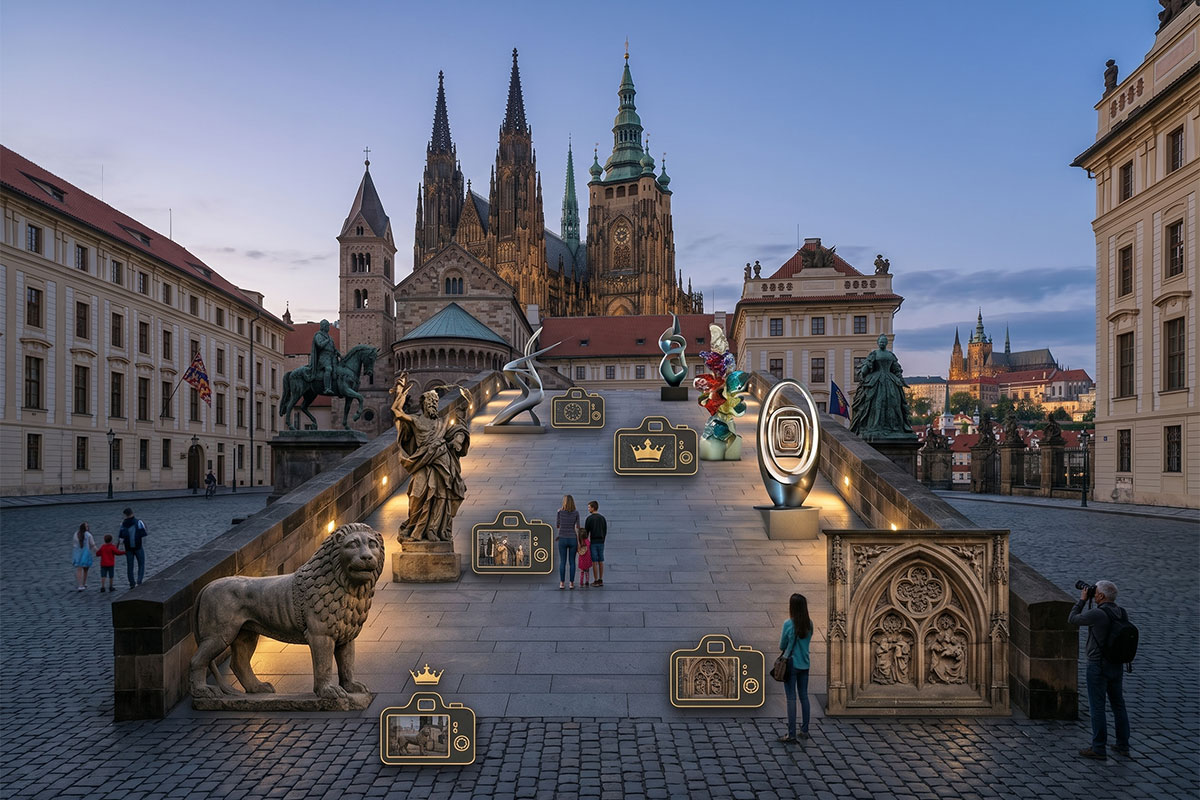
Another insider tip concerns the Changing of the Guard. The ceremonial exchange at the main gates happens every hour on the hour, but the formal ceremony with the fanfare and banner exchange occurs at noon in the First Courtyard. While popular, it draws immense crowds. If you prefer a better view without the crush, catch the simpler hourly changes at the side gates.
Getting There: The Scenic Route vs. The Easy Route
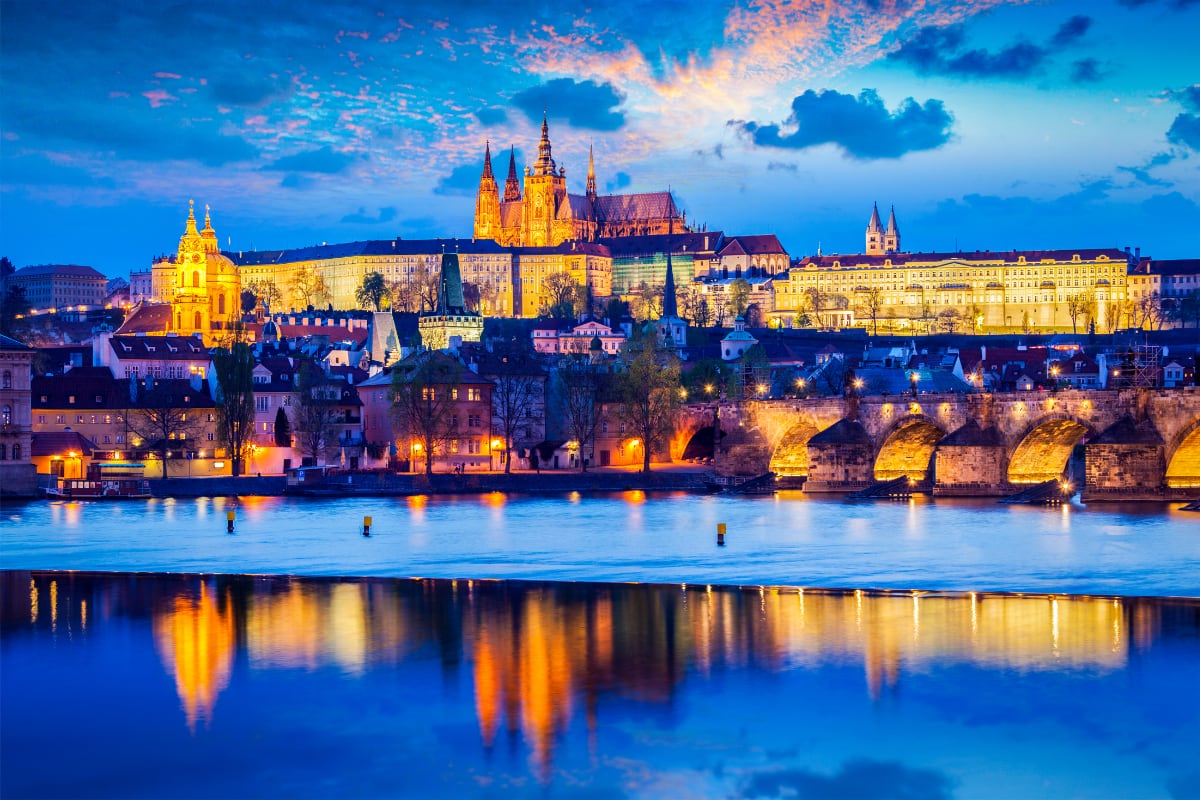
How you arrive at the castle sets the tone for the visit. For the most scenic but physically demanding approach, walk up from Malostranská metro station via the Old Castle Stairs. The views over the rooftops of Lesser Town as you ascend are unparalleled and provide excellent photo opportunities. However, this involves a steep climb.
If you prefer to save your energy for exploring the complex itself, take Tram 22 to the Pražský hrad stop. This drops you off at the northern entrance, allowing you to walk into the castle on flat ground and then filter down through the complex, eventually exiting downhill towards the city center. This "top-down" strategy is favored by local guides and saves your legs from the initial uphill battle.
Conclusion
Visiting Prague Castle is more than just checking a site off a bucket list; it is an immersion into the soul of the Czech nation. From the soaring spires of St. Vitus to the humble charm of the Golden Lane, the complex offers a diverse tapestry of experiences. By arriving at the right time, wearing the right shoes, and focusing on the key historical sites, you transform a standard sightseeing trip into an unforgettable journey through history. Take your time, look beyond the main path, and let the ancient stones of Prague whisper their stories to you.