Step back in time to the golden age of Bohemia. This article explores the intricate daily lives, morning rituals, and evening festivities of the nobility residing within the historic walls of Prague Castle. It concludes with a summary of the key elements that defined their existence: ritual, ambition, artistry, and the delicate balance of power.
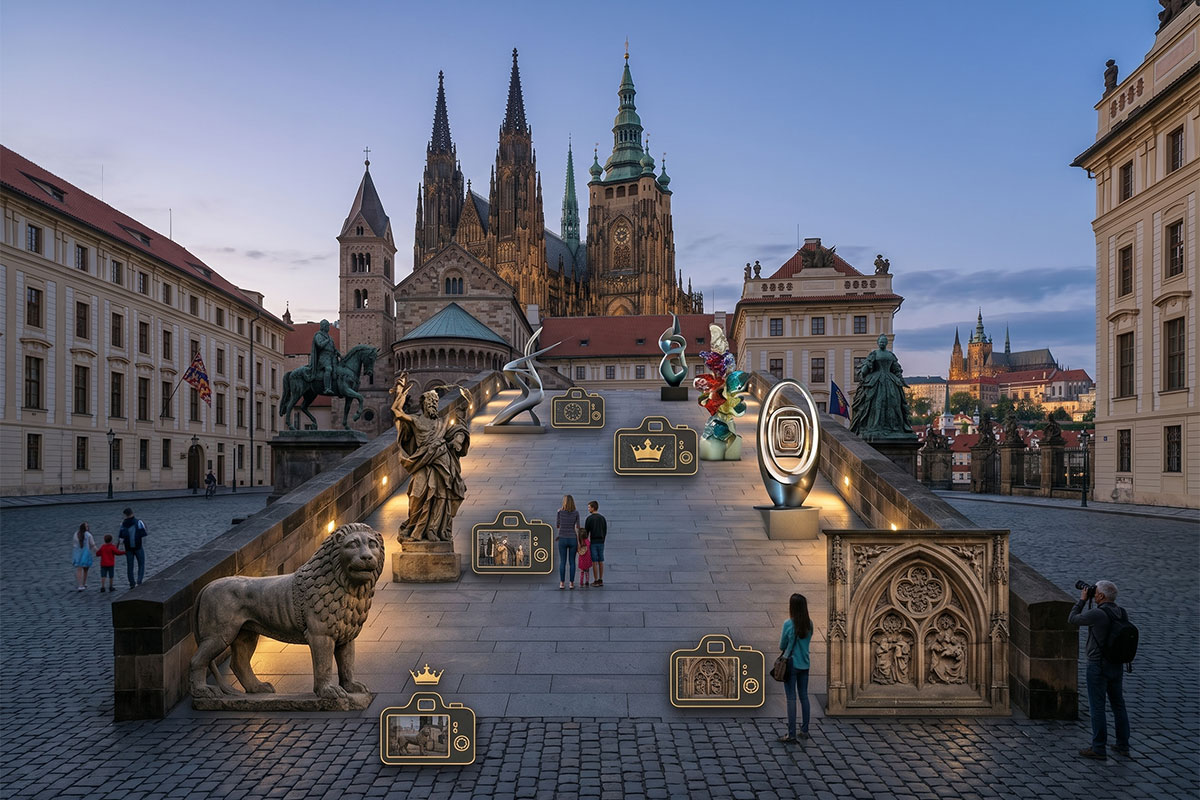
When you walk through the sprawling courtyards of Prague Castle today, in the crisp air of January 2026, the silence of the stone walls can be deceiving. Centuries ago, these very cobblestones echoed with the clamor of carriages, the rustle of heavy silk, and the whispered secrets of the Holy Roman Empire. To truly understand the soul of Bohemia, one must look beyond the architecture and delve into the human experience of those who lived there. The life of the nobility was a carefully choreographed dance of etiquette, power, and leisure, played out on one of Europe's grandest stages. It was a world where every gesture had meaning, and the daily routine was dictated not just by the sun, but by the rigid expectations of the royal court.
The Morning Awakening: Rituals of the Bedchamber
For the nobility residing in the royal wings of Prague Castle, the day did not begin with a simple alarm but with a ceremony known as the lever. Rising from bed was a public affair for high-ranking nobles, particularly if the Emperor was in residence. Servants would enter the chambers well before dawn to stoke the ceramic tile stoves, ensuring the room was warm enough for their master or mistress to emerge from beneath heavy velvet duvets. The morning air in Prague has always been biting, and the castle's thick walls often trapped the chill, making these fires essential for comfort.
The Art of Dressing
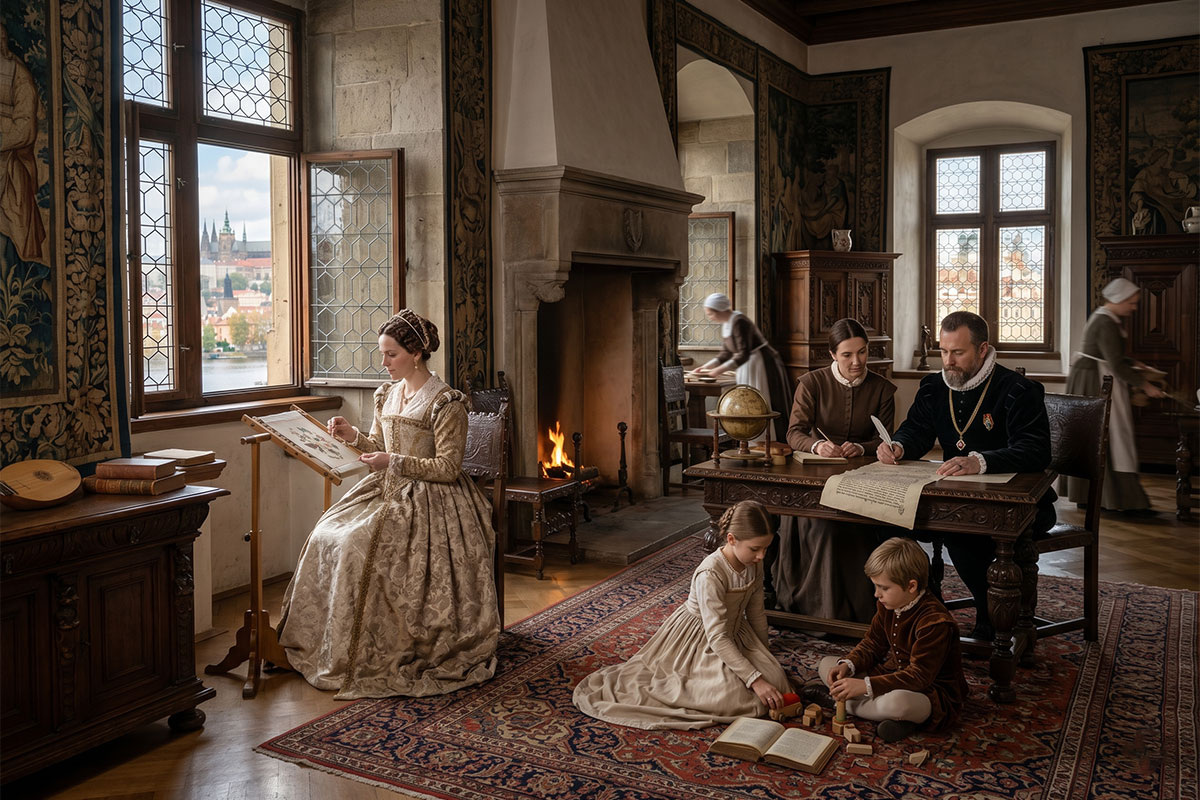
Once awake, the process of dressing began, which could take upwards of an hour. Fashion in the Bohemian court, especially during the Renaissance and Baroque periods, was incredibly complex. A noblewoman's attire consisted of multiple layers, starting with a linen chemise, followed by corsets, petticoats, and finally, the gown itself, often embroidered with gold thread or pearls. This was not a solitary task; it required the assistance of several handmaidens. While being dressed, the noble would often receive their first visitors of the day—perhaps a messenger with urgent news or a close confidant discussing the previous night's gossip. This blurred the lines between personal privacy and public duty right from the start of the day.
The Business of Empire: Politics and Patronage
By mid-morning, the castle transformed into a buzzing hive of administrative and intellectual activity. Prague was not merely a residence; during the reign of eccentric rulers like Rudolf II, it was the center of the known world for alchemy, astronomy, and art. The nobility played a crucial role in this ecosystem, acting as patrons to scientists and artists or serving as intermediaries between the Emperor and foreign diplomats. The courtyards were filled with a diverse mix of people seeking audiences, from Italian architects to English mathematicians.
The hierarchy within the court was strict, and everyone knew their place. To understand the social structure that dictated these daily interactions, it is helpful to look at the key roles that kept the court running smoothly:
| Court Role | Key Responsibilities | Daily Routine Focus |
| The High Steward | Overseeing the entire household and domestic affairs. | Managing staff, logistics, and supplies. |
| The Chamberlain | Personal attendant to the ruler, controlling access. | Guarding the private chambers, scheduling audiences. |
| Ladies-in-Waiting | Companions to the Queen or high noblewomen. | Embroidery, music, reading, and social correspondence. |
| The Master of the Hunt | Organizing royal hunts and managing game. | Scouting the Deer Moat and royal forests. |
Gastronomy: The Midday Feast
As the sun reached its peak, the focus shifted to the Great Hall for the midday meal, which was the most significant culinary event of the day. Dining at the royal court was a theatrical display of wealth and power. The tables were laden with silverware and exotic ingredients that signaled the reach of the empire. Unlike the simple diets of the peasantry, the nobility enjoyed a heavy consumption of meats, often seasoned with expensive spices imported from the East, such as saffron, cloves, and cinnamon.
A typical feast was not just about sustenance but about experiencing the "exotic." The menu would often feature:
- Roasted Game: Venison, pheasant, and wild boar hunted in the castle's own preserves.
- Freshwater Fish: Carp and trout from the ponds of Southern Bohemia, prepared in heavy sauces.
- Sweet Confections: Marzipan sculptures and candied fruits, which were a symbol of extreme luxury due to the price of sugar.
- Wine and Ale: While local Bohemian beer was popular, the nobility preferred wines imported from Italy, France, or the Moravian regions.
The meal was accompanied by music from court lutenists or the jesting of fools, ensuring that the atmosphere remained lively. However, even while eating, one had to be vigilant. The seating arrangement at the table was a direct reflection of one's current standing with the ruler, and a seat moved further from the head of the table could signal a fall from grace.
Leisure and Intellectual Pursuits
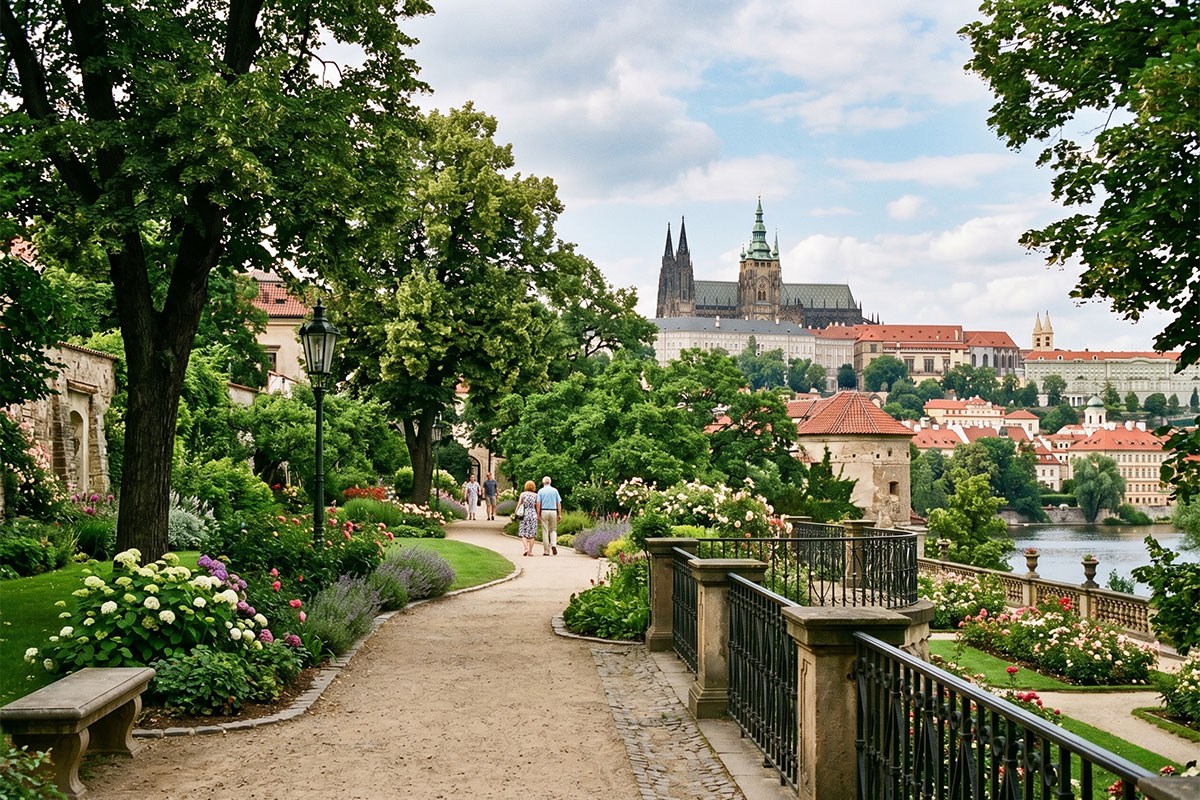
After the heavy midday meal, the afternoon was dedicated to leisure, though "leisure" for the nobility often involved intellectual or physical exertion. The Royal Garden was a favorite retreat. Here, nobles would stroll among exotic tulips—introduced to Europe via Prague—and discuss philosophy or admire the Renaissance architecture of the Belvedere. For the men, the afternoon might involve fencing practice or riding in the riding hall, honing the martial skills expected of their class.
The Influence of the Occult
It is impossible to discuss daily life in Prague's court without mentioning the fascination with the arcane. Many nobles spent their afternoons in the libraries or laboratories, observing alchemical experiments. The quest for the Philosopher's Stone or the elixir of life was not seen as a fringe hobby but as a serious scientific endeavor. Noble patrons would fund these experiments, hoping to gain favor with the Emperor by presenting a breakthrough in turning lead into gold.
Evening Festivities: When the Castle Came Alive
As dusk fell over the Vltava River and the city below plunged into darkness, the windows of the castle blazed with the light of thousands of beeswax candles. The evenings were reserved for socialization on a grand scale. Balls and masquerades were frequent, providing a venue for young nobles to court one another and for alliances to be forged over dances.
Music was the heartbeat of these evenings. The Spanish Hall or similar grand venues would fill with the sounds of the harpsichord and viol. The nobility were expected to be well-versed in the arts; being able to play an instrument, sing, or recite poetry was as important as knowing how to wield a sword. These festivities could last well into the early hours of the morning, fueled by wine and the excitement of court intrigue.
The Quiet of the Night
Eventually, the music would fade, and the castle would settle into a hush. The nobility returned to their chambers, undergoing the reverse of the morning's dressing ritual. Yet, sleep did not come without precautions. In an era of political volatility, doors were bolted, and guards were posted at the ends of corridors. A weapon was often kept within arm's reach of the bed. As they drifted off to sleep under the heavy canopies, the residents of Prague Castle prepared to do it all again the next day—maintaining the delicate balance of power, appearance, and duty that defined life in the royal court.
Conclusion: A Day in the Life
Life within the royal court of Prague was a tapestry woven with threads of ritual, ambition, and artistry. From the elaborate morning lever to the hushed anxieties of the night, each day presented a carefully constructed performance. The nobility navigated a complex social landscape, balancing their personal desires with the demands of the empire. Their patronage fueled intellectual and artistic innovation, while their pursuit of power shaped the course of Bohemian history. Stepping back in time to witness their daily routines offers a fascinating glimpse into a world of opulence, intrigue, and enduring legacy.