Move beyond the crowded cathedral and discover the secret side of Prague Castle. This guide explores the Stag Moat, Nový Svět, and hidden architectural marvels, along with local legends, that most tourists miss.
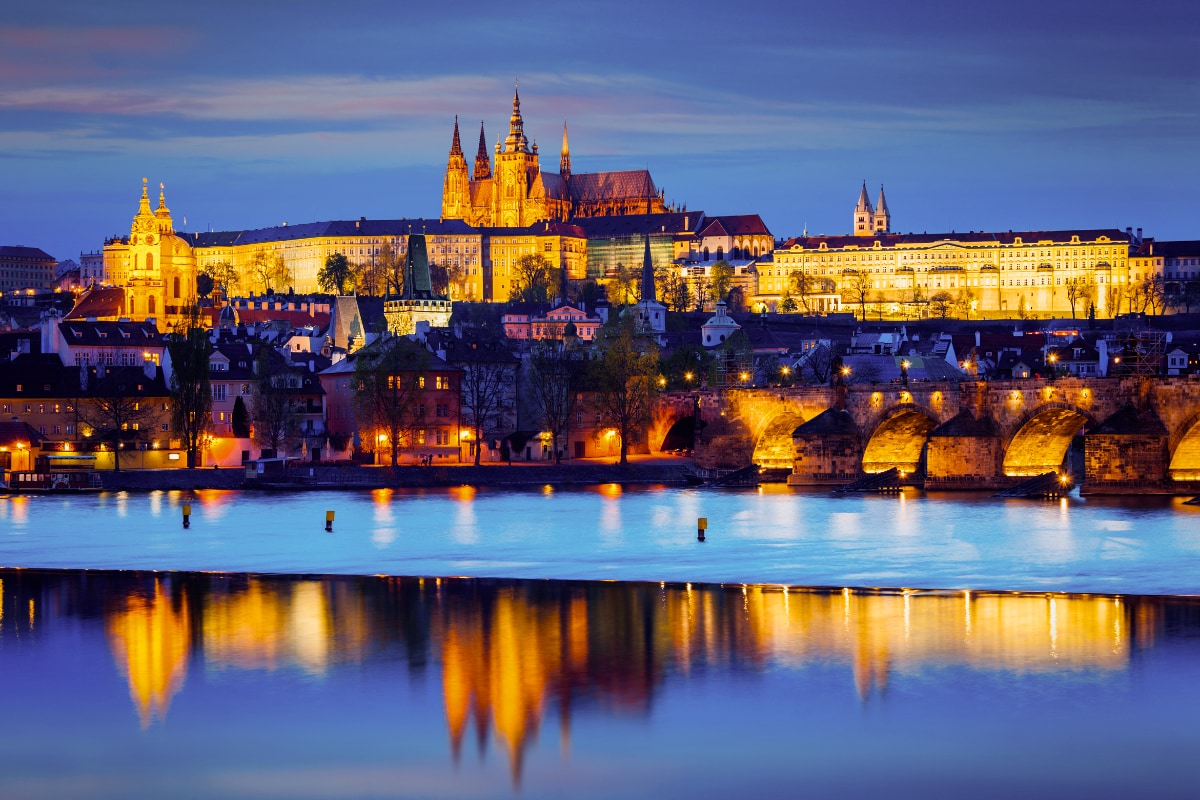
When travelers gaze up at the imposing silhouette of Prague Castle from the Charles Bridge, they often see a singular, monolithic fortress dominated by the spires of St. Vitus Cathedral. However, to view this UNESCO World Heritage site merely as a checklist of famous monuments is to miss its true soul. The castle complex is effectively a city within a city, a labyrinth of courtyards, palaces, and ancient alleyways that holds centuries of secrets in its stones. While the main circuit draws millions of footsteps, there are quiet corners and forgotten pathways where the history of Bohemia whispers rather than shouts. Exploring these lesser-known spots offers a more intimate connection with Prague, allowing you to step back in time without the bustle of the modern crowds.
For the curious wanderer, the true magic of the castle lies in the details that guidebooks often relegate to footnotes or omit entirely. It is found in the shadow of a Renaissance summer palace, along a winding path through an ancient vineyard, or down a cobblestone street that feels frozen in the 16th century. As we move through January 2026, the crisp winter air adds a layer of mystery to these stone walls, making it the perfect time to wrap up warm and uncover the hidden gems that lie just beyond the iconic sights. This guide is your invitation to slow down, look closer, and discover the secrets waiting behind the castle walls.
Beyond the Cathedral: The Quiet Sanctuaries
While the Gothic majesty of St. Vitus is undeniable, the overwhelming crowds can sometimes detract from the spiritual and historical weight of the location. Just a stone's throw away, however, you can find pockets of solitude that are equally significant. One such area involves looking not up at the spires, but down into the earth and history of the castle's foundations. By shifting your focus from the grand skyline to the intricate layout of the grounds, you open yourself up to a completely different narrative of Czech royalty and architecture.
The Stag Moat (Jelení příkop)
Separating the castle promontory from the northern district, the Stag Moat is a natural ravine that offers a stunning contrast to the stone fortifications above. Originally used for breeding deer during the reign of Emperor Rudolf II, this lush green valley is a haven of peace right in the city center. While access can sometimes be seasonal depending on weather conditions, the views into the moat from the castle ramparts are spectacular year-round. If the lower paths are open, walking along the wooden boardwalks feels like a hike through a secluded forest, despite being meters away from a major tourist hub.
A specific highlight within the moat is the pedestrian tunnel designed by the famous architect Jože Plečnik. Built of red brick, this tunnel passes underneath the Powder Bridge and is a masterpiece of subtle, functional architecture. It creates a unique acoustic environment and a visually striking frame for photographs, merging the raw nature of the ravine with the refined elegance of the castle structures. It is a place where you can hear the rustle of leaves and your own footsteps, a rarity in such a popular destination.
The Picturesque World of Nový Svět
Although technically situated just on the edge of the castle walls in the Hradčany district, Nový Svět (The New World) is an essential part of the hidden castle experience. This tiny, winding street is often completely overlooked by tour groups rushing toward the main gates. Historically, this was the neighborhood of castle servants and poor artists, which explains the modest, small-scale architecture that contrasts sharply with the grandiose palaces nearby.
Walking through Nový Svět feels like stepping onto a movie set for a fairy tale. The pastel-colored houses, many dating back to the 17th century, have low doorways and charming names like "The Golden Pear" or "The Golden Griffin." The cobblestones here are uneven and ancient, and the atmosphere is incredibly romantic and quiet. It is the perfect spot to end your castle tour, wandering away from the noise and finding a secluded café to reflect on the day. The absence of souvenir shops and large crowds preserves an authenticity that is becoming increasingly rare in European capitals.
Architectural Whispers: Plečnik’s Interventions
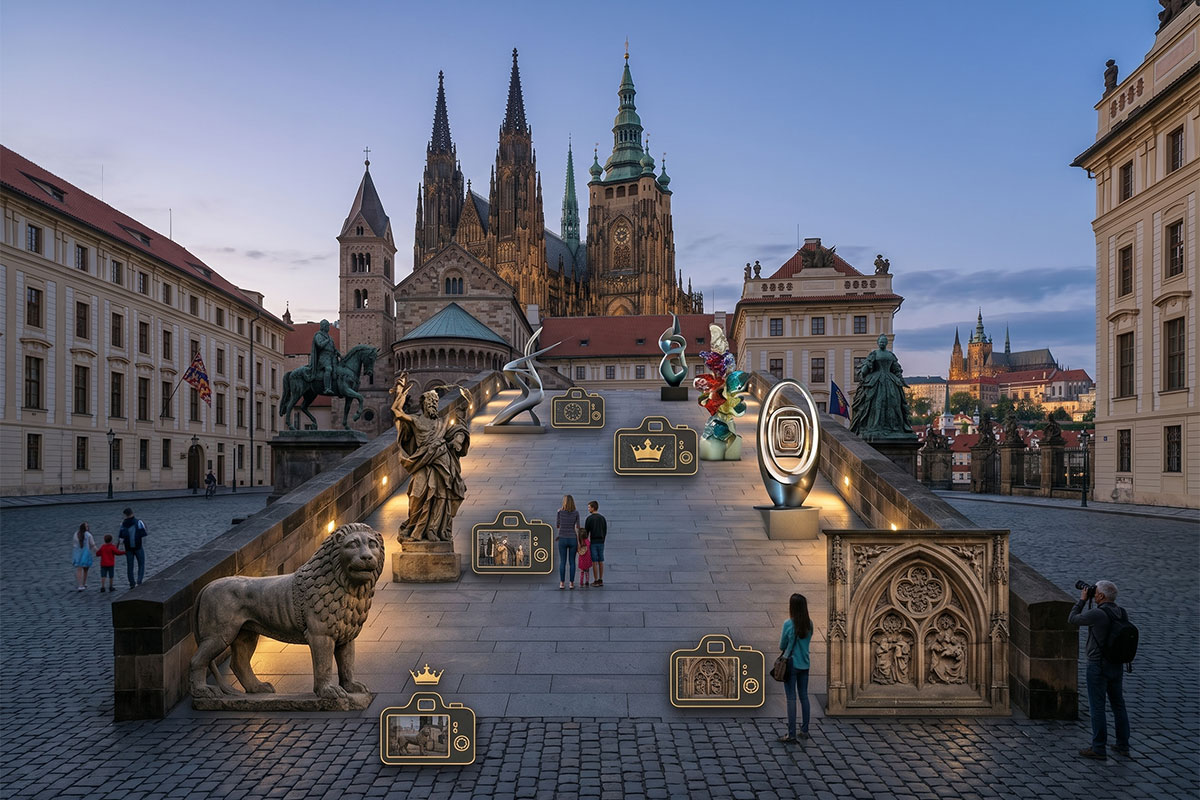
In the 1920s, the first Czechoslovak president, Tomáš Garrigue Masaryk, commissioned the Slovenian architect Jože Plečnik to renovate the castle and transform it from a symbol of monarchy into a symbol of democracy. Plečnik’s work is scattered throughout the complex, often hidden in plain sight, blending modernism with classicism in a way that respects the ancient surroundings while adding a layer of symbolic meaning.
- The Bull Staircase: Located in the Third Courtyard, this entrance leads down to the South Gardens. Its copper roof and bull mosaics are distinct, yet many walk past it without realizing it connects the formal courtyard to the natural landscape below.
- The Monolith: Also in the Third Courtyard stands a massive granite obelisk, intended to commemorate the fallen of World War I. It is a feat of engineering and a solemn reminder of history, standing in stark, minimalist contrast to the Gothic cathedral behind it.
- The Column Hall: A stunning, modernist interior space that often goes unnoticed. The clean lines and use of light demonstrate Plečnik’s mastery and offer a visual break from the heavy Baroque and Gothic styles prevalent elsewhere.
Secret Gardens and Vineyards
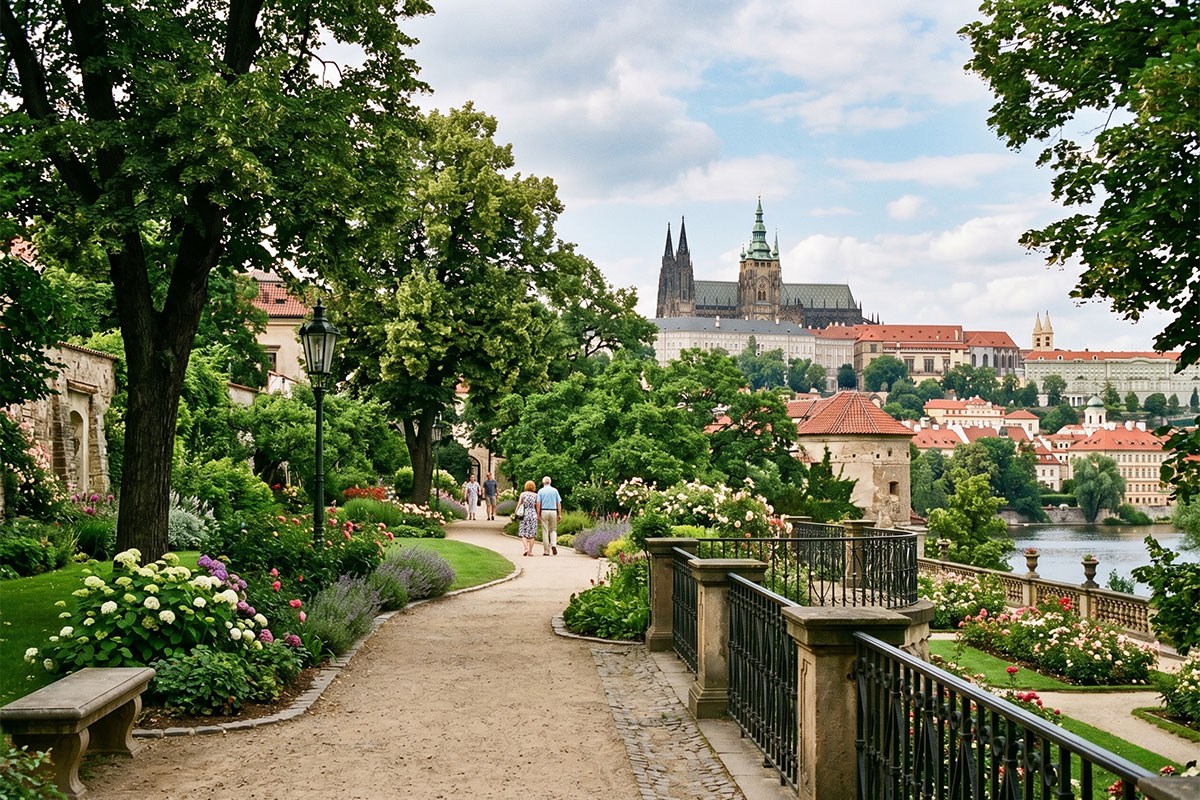
Prague Castle is not just stone and mortar; it is surrounded by historic greenery that offers some of the most breathtaking and least crowded viewpoints in the city. While the Royal Garden is relatively well-known, there are specific spots within the green belt that remain underappreciated. These gardens are not merely decorative; they are historical landscapes that have served kings and emperors for centuries.
The St. Wenceslas Vineyard
On the eastern slope of the castle ridge lies one of the oldest vineyards in Bohemia, the St. Wenceslas Vineyard. Legend says that the patron saint of the Czech lands, St. Wenceslas, cultivated vines here himself. Another version of the legend claims that he personally made wine for the church from these grapes. Recently restored, this area offers a panoramic terrace that provides a stunning view over the Lesser Town (Malá Strana) and the Vltava River. Unlike the main castle ramparts, which are often packed with selfie-sticks, the vineyard offers a more relaxed atmosphere.
Descending from the castle through the vineyard is a fantastic alternative to the crowded Old Castle Stairs. The path winds down through the vines, offering changing perspectives of the city roofs and domes. It is a sensory delight, combining the visual beauty of the cityscape with the agricultural heritage of the land. There are few places where you can stand in the middle of a capital city, surrounded by ripening grapes, looking out over a thousand years of architecture.
Comparison: The Tourist Track vs. The Hidden Gems
To help you plan your exploration, here is a breakdown of how the hidden spots compare to the main attractions in terms of experience and atmosphere. This distinction is crucial for travelers seeking depth over breadth.
| Feature | The Main Circuit (St. Vitus, Golden Lane) | The Hidden Gems (Nový Svět, Stag Moat) |
| Crowd Level | Very High - often shoulder to shoulder | Low to Moderate - moments of solitude |
| Atmosphere | Grand, majestic, but sometimes chaotic | Intimate, romantic, peaceful, mysterious |
| Pace | Fast-paced, driven by queues | Slow, contemplative, wandering |
| Photography | Iconic shots, difficult to avoid people | Unique details, atmospheric textures, empty streets |
| Best Time | Early morning (8:00 AM) to beat crowds | Any time, though late afternoon is magical |
Practical Tips for the Explorer
Discovering these hidden gems requires a slightly different approach than the standard tourist itinerary. First and foremost, wear comfortable, sturdy shoes. The charm of places like Nový Svět and the Stag Moat lies in their historic cobblestones and unpaved paths, which can be unforgiving to inappropriate footwear. Since you will be walking away from the main amenities, carrying a bottle of water is also a wise decision.
Timing is also a key factor. While the castle interiors have strict opening hours, many of the outdoor hidden gems, such as the architecture of Nový Svět or the public pathways through the courtyards, are accessible later in the evening. Visiting just before sunset allows you to watch the city lights flicker on from the vineyard or the ramparts, transforming the stone structures into glowing monuments against the twilight sky. Finally, allow yourself to get lost. The castle complex is safe and well-signposted, so do not be afraid to turn down a quiet alley or investigate an open gate—that is often where the best stories are found.
Final Thoughts
Prague Castle is a monumental testament to history, but its true character is found in the quiet moments between the grand monuments. It is in the silence of the Stag Moat, the quaint charm of the New World, and the thoughtful details of a modernist architect hidden in a royal courtyard. By venturing off the beaten path, you are not just seeing the castle; you are experiencing the layers of time and humanity that built it. So, take the detour, slow your pace, and let the hidden gems of Prague reveal themselves to you.