This article explores the often-overlooked influence of women within the historic walls of Prague Castle. From ruling queens to influential noblewomen, we uncover the stories of power, diplomacy, and cultural patronage that shaped the Bohemian monarchy. We also encourage the reader to consider the impact of these women during their next visit to Prague Castle.
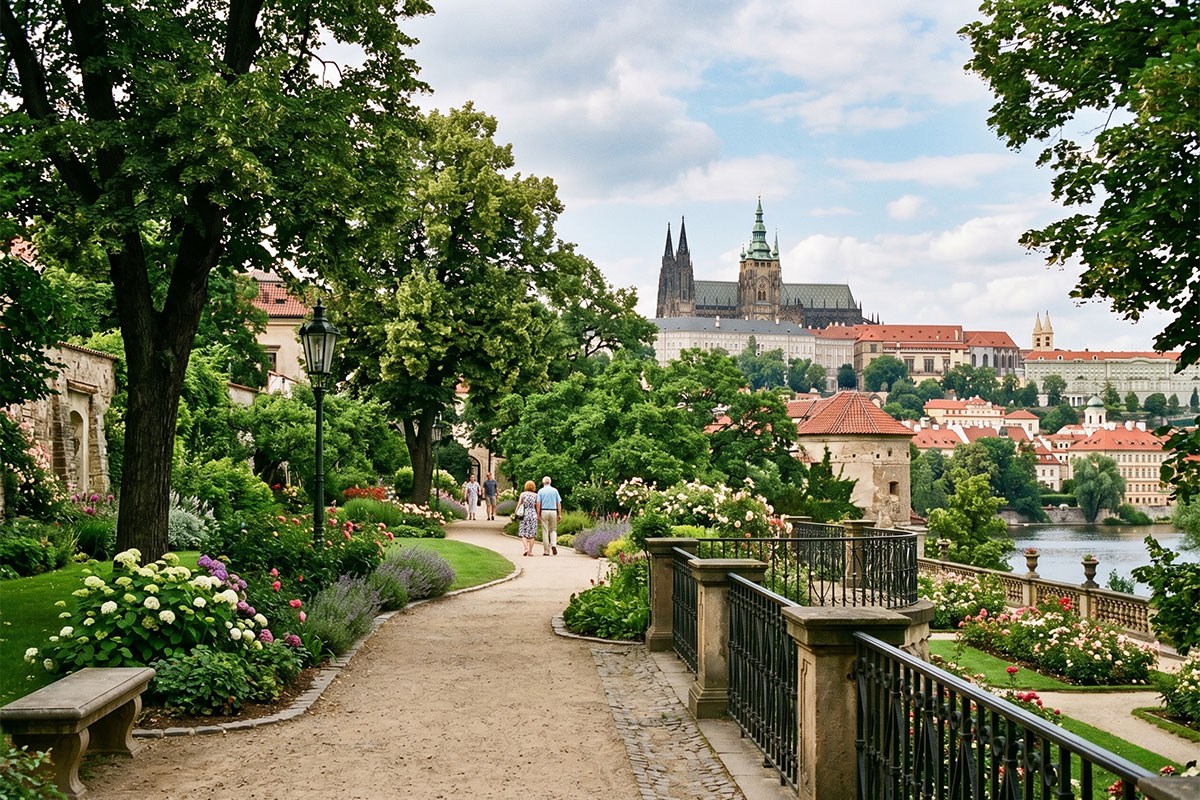
When visitors wander through the sprawling courtyards of Prague Castle, the narrative usually focuses on the mighty kings, the Holy Roman Emperors, and the wars that redrew the maps of Europe. However, the stone walls of this ancient complex hold the echoes of a different kind of power—one that was often quieter but no less transformative. As we explore the castle grounds in January 2026, the winter mist over the Vltava River seems to invite us to look closer at history and rediscover the women who navigated the complex web of the Royal Court. These were not merely wives and mothers; they were diplomats, patrons of the arts, regents, and political strategists who left an indelible mark on the heart of Bohemia. Consider, as you walk, the silent influence these women wielded, often behind the scenes.
The history of the Prague Royal Court is incomplete without acknowledging that the domestic sphere was often the engine room of political alliances. While men wielded swords and signed treaties, the women of the court were frequently the ones who cemented these deals through marriage, maintained diplomatic channels through correspondence, and softened the rigid edges of feudal politics. Their influence permeated the architecture, the religious life, and the cultural renaissance that Prague is famous for today. To understand the true history of this city, we must step out of the throne room and into the queen’s chambers, the convents, and the summer palaces where female agency flourished. Imagine the countless letters penned, the secret meetings held, the subtle shifts in power orchestrated within those spaces.
Beyond the Shadow of the Crown: Power and Diplomacy
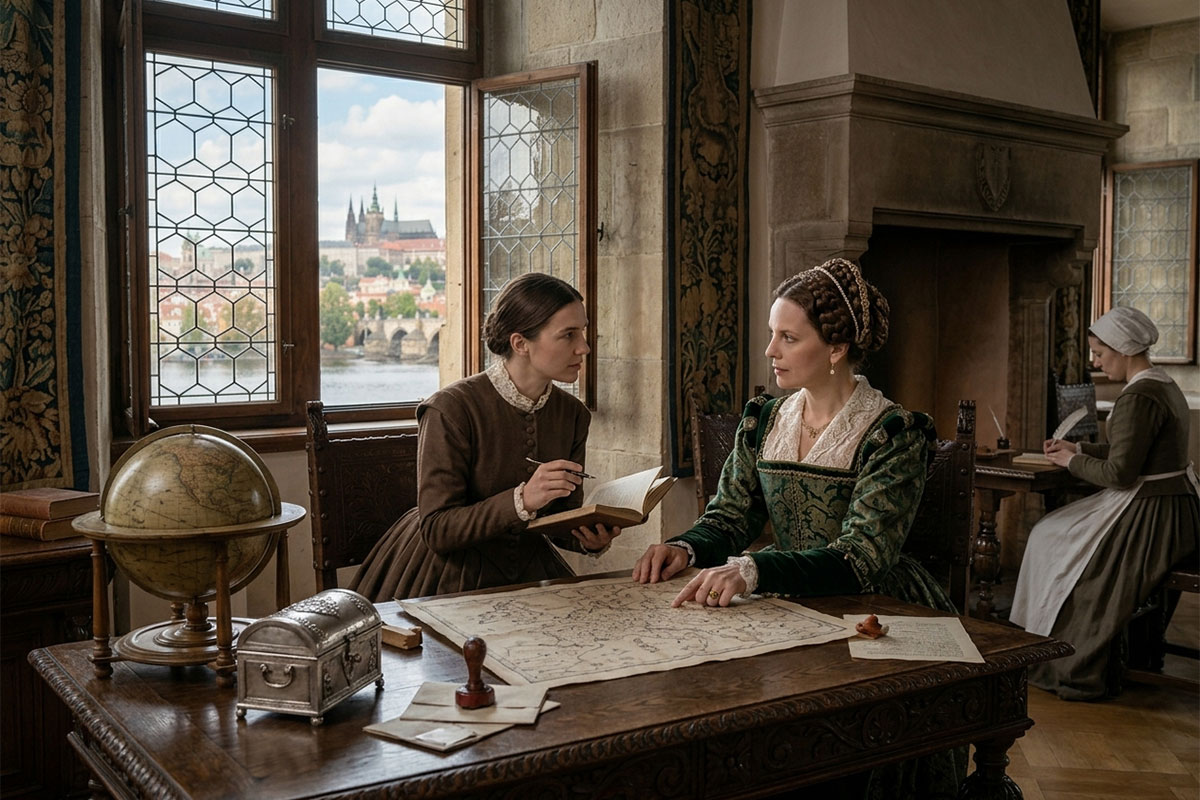
In the medieval and Renaissance periods, a queen’s role was theoretically supportive, yet in practice, it was deeply political. Women in the Royal Court of Prague were often foreign princesses brought in to seal alliances, meaning they arrived as strangers in a strange land. Yet, many of them mastered the Czech language, navigated local rivalries, and became beloved figures who bridged the gap between the crown and the people. Their power often lay in "soft diplomacy"—influencing the king's decisions, managing court factions, and advocating for peace when tempers flared in the council chambers. Think of the pressure these women faced, balancing the needs of their birth country with their adopted home.
One cannot discuss female power in Prague without mentioning the strategic importance of the Queens of Bohemia. These women were often the eyes and ears of their home dynasties, maintaining complex networks of communication across Europe. They hosted foreign dignitaries, organized lavish festivities that displayed the kingdom's wealth, and sometimes, in the absence of the king, acted as regents. Their courts were centers of intelligence gathering, where a whispered word could be as powerful as a royal decree. The resilience required to survive court intrigues, frequent childbirths, and the constant pressure of succession built a legacy of iron-willed women who shaped the monarchy. Consider the sheer mental fortitude required to navigate such a treacherous landscape.
Queens Who Shaped the Skyline and the Soul
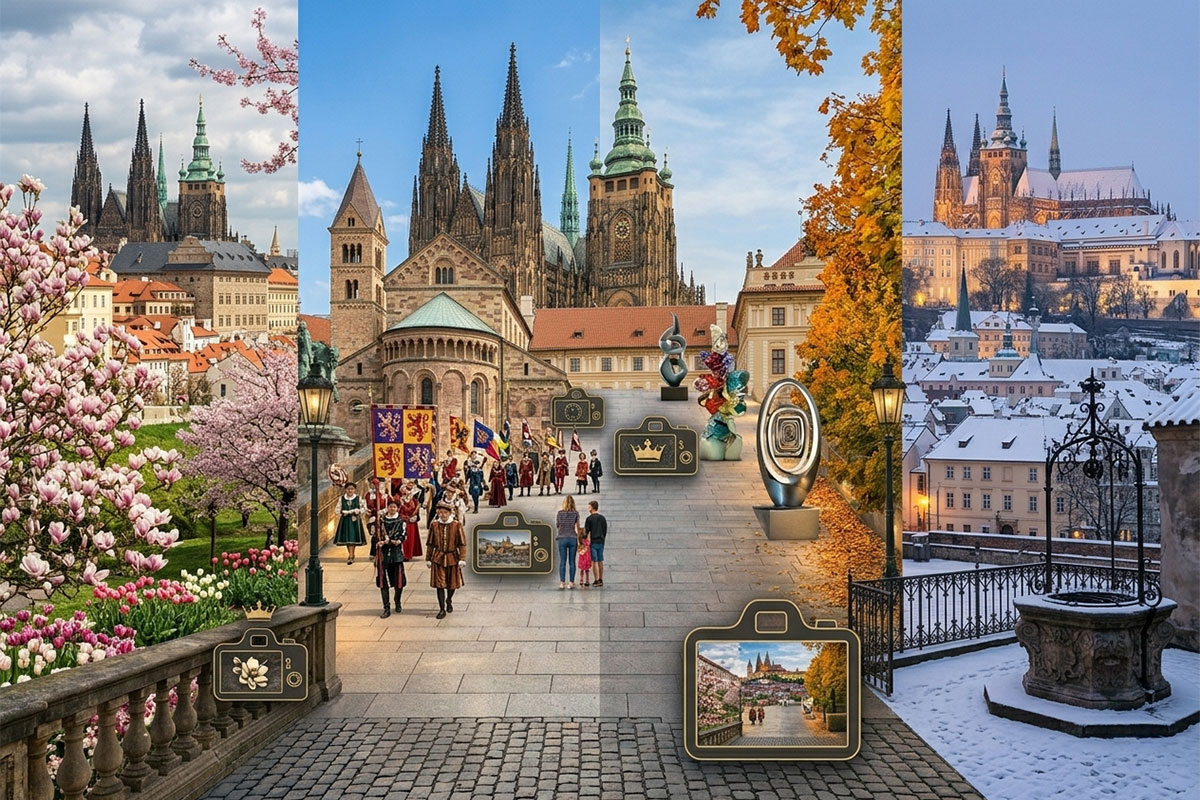
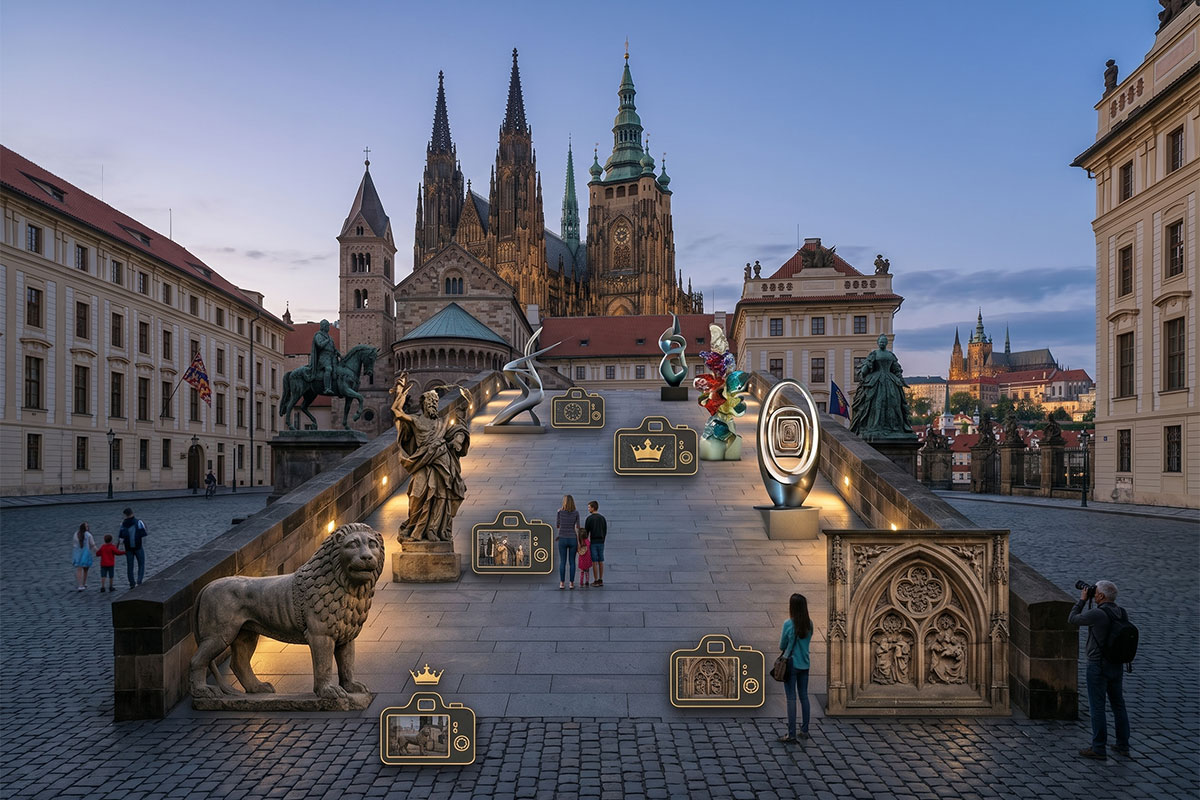
Among the many women who walked these halls, several stand out for their extraordinary contributions. Their legacies are not just in the bloodlines they continued but in the physical and cultural fabric of Prague itself. We can trace their steps through specific landmarks that still stand today, testifying to their vision and patronage. Consider capturing photos of these landmarks during your visit to truly connect with their stories.
- Anne of Bohemia (Jagellon): While often remembered for her marriage to Ferdinand I, which brought the Habsburgs to the Bohemian throne, her influence is immortalized in the Belvedere (Queen Anne’s Summer Palace). This Renaissance masterpiece was a gift of love, but it also symbolizes the introduction of Italian architectural elegance to Prague, a trend she actively supported. Imagine Anne, far from her homeland, shaping the very aesthetic of the city.
- Maria Theresa: The only female ruler of the Habsburg dominions, she was crowned Queen of Bohemia in Prague. Her reign brought significant modernization to the castle. She ordered the massive reconstruction that gave Prague Castle its cohesive, albeit severe, neoclassical facade that we see today. Her presence redefined the castle from a medieval fortress to a representative seat of government. What do you think Maria Theresa hoped to convey with this architectural shift?
- Elizabeth of Bohemia (The Winter Queen): Though her reign was fleeting, lasting only a single winter, her presence in Prague brought a distinct cultural vibrancy. Her court was a hub of refined manners and international connection, highlighting how quickly a strong female personality could alter the atmosphere of the royal residence. Her patronage of the arts, particularly theater and music, brought a brief but brilliant flowering of culture to Prague.
- Kunigunde of Halych: Going back further to the 13th century, she was a formidable figure who navigated the chaos following the death of King Ottokar II. As a widow and regent, she fought fiercely to protect her son's inheritance, demonstrating that medieval queens were far from passive bystanders. Her skillful diplomacy and military acumen ensured the survival of the Bohemian kingdom during a turbulent period.
- Emma of Bohemia: Another often-overlooked figure, Emma played a crucial role in the early Přemyslid dynasty. As the wife of Duke Boleslaus II, she actively participated in political affairs and is believed to have influenced the establishment of the Prague bishopric, a pivotal moment in Bohemian history.
The Cultural Architects of the Court
Women in the royal court were the primary patrons of the arts and religion, acting as cultural architects who softened the martial atmosphere of the castle. They commissioned altarpieces, supported musicians, and introduced new fashions and literary trends from France, Italy, and Spain. The introduction of Renaissance humanism and later, the emotive power of the Baroque, was often facilitated by the queens and noblewomen who wished to surround themselves with beauty and spiritual depth. Consider the impact of these artistic choices on the overall atmosphere of the court.
This patronage extended beyond mere aesthetics; it was a statement of power and piety. By founding convents and endowing churches, these women created autonomous spaces where female authority was absolute. The St. George’s Basilica and the associated convent within the castle grounds are prime examples. For centuries, the Abbess of St. George’s had the unique privilege of crowning the Queen of Bohemia, a powerful symbol of female authority legitimizing female power. Imagine the weight of that crown, both literally and figuratively.
Roles and Responsibilities: A Comparative View
To understand the hierarchy and the diverse roles women played, it is helpful to look at the structure of the court. It wasn't just the Queen; an entire ecosystem of noblewomen kept the court running. From education to entertainment, their duties were vast and critical for the monarchy's image.
| Role/Position | Primary Responsibilities | Sphere of Influence |
| The Queen Consort | Providing an heir, hosting diplomatic events, charitable works. | High politics, international relations, religious patronage. |
| The Princess/Archduchess | Education, preparing for strategic marriage alliances. | Future diplomatic bridges between nations. |
| Ladies-in-Waiting | Companionship to the Queen, managing the royal household. | Gatekeepers of access to the Queen, intelligence gathering. |
| Abbesses (Royal Convents) | Spiritual guidance, education of noble daughters. | Religious authority, land ownership, crowning the Queen. |
The Institute of Noblewomen: A Legacy of Independence
One of the most fascinating chapters in the history of women at Prague Castle is the founding of the Institute of Noblewomen (Ústav šlechtičen) by Maria Theresa. Located in the Rožmberk Palace within the castle complex, this institution was designed for unmarried women of aristocratic descent who had fallen on hard times or chose not to marry. It was not a convent in the strict sense, but a chapter of secular canonesses.
The head of this institute was always an Archduchess of the Habsburg family, giving the organization immense prestige. For the women who lived here, it provided a rare opportunity for a dignified, independent life without the requirement of taking monastic vows. They could leave to marry if they wished, but while they were there, they lived in relative autonomy, governed by a woman, in the heart of the empire. This establishment serves as a powerful reminder that the royal court eventually evolved to create spaces that recognized the dignity of women outside of their utility in marriage markets.
Rediscovering Their Stories Today
As we wander through the Old Royal Palace or gaze out from the castle ramparts in 2026, the challenge for the modern traveler is to see beyond the stone. The history of Prague Castle is often told through the lens of male conquest, but the soul of the place was frequently nurtured by women. Whether it was St. Agnes of Bohemia rejecting a prestigious marriage to dedicate her life to the poor, or the Renaissance queens bringing the light of Italian art to the dark Gothic halls, their contributions were pivotal. What aspects of their lives resonate most with you?
When you visit the St. Vitus Cathedral, look for the Royal Mausoleum. There, side by side with the emperors, lie the women who bore the weight of the crown. Their stories are not just footnotes; they are the essential threads that hold the tapestry of Bohemian history together. By acknowledging their roles, we gain a richer, more complete understanding of the human drama that played out on this spectacular stage above the Vltava. Consider taking a moment to reflect on their lives and legacies as you stand in their presence.