Explore the profound connection between Prague Castle and the Czech soul. This article delves into how the castle has evolved from a royal fortress into the ultimate symbol of Czech democracy, resilience, and cultural heritage.
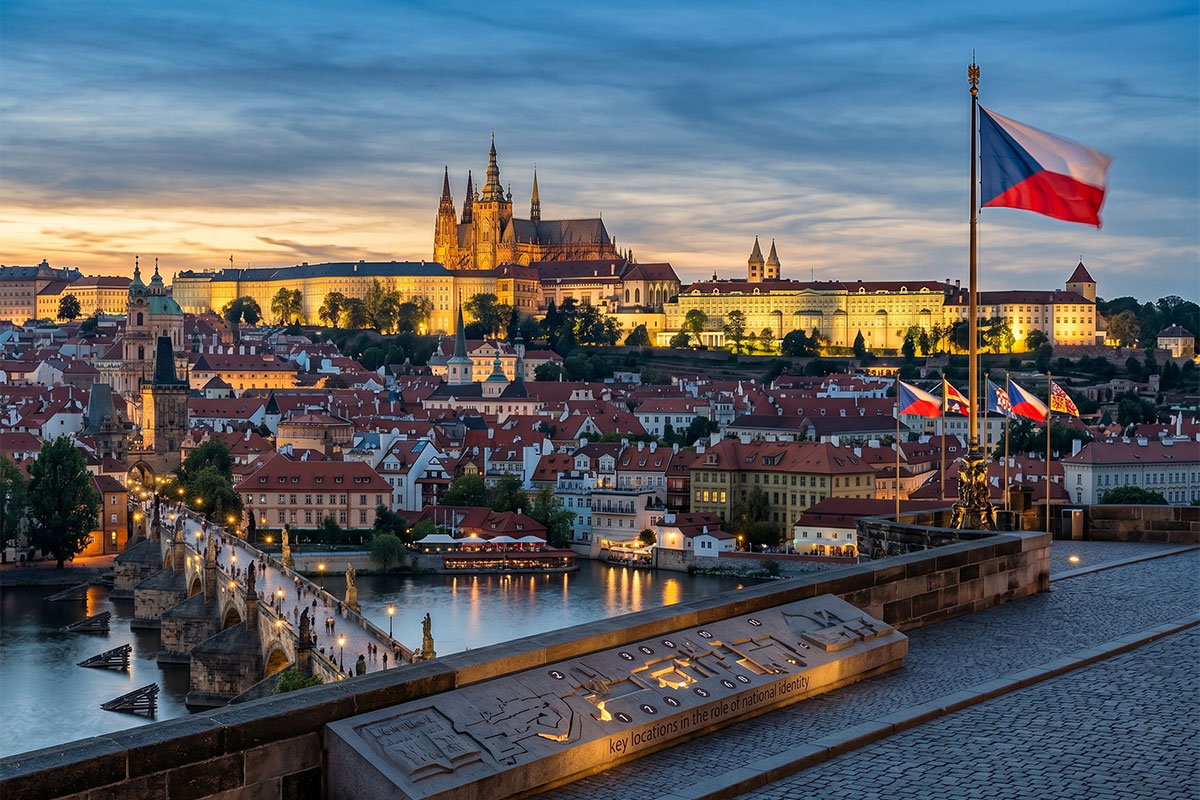
When you stand on the cobblestones of Charles Bridge and gaze up toward the hill of Hradčany, you are not merely looking at a tourist attraction or an architectural marvel. You are witnessing the silent, enduring heartbeat of a nation. For over a thousand years, Prague Castle has dominated the skyline, but its true magnitude lies not in its physical size—though it is the largest ancient castle complex in the world—but in its weight upon the Czech collective consciousness. It is the stage upon which the triumphs and tragedies of the Czech people have been played out, serving as a steadfast anchor through centuries of shifting borders, regimes, and ideologies. To understand the Czech Republic, one must understand the complex, emotional relationship its people hold with this sprawling fortress.
The castle is far more than a museum or a collection of palaces; it is the physical embodiment of the state itself. Unlike many other European castles that became purely ceremonial or abandoned relics, Prague Castle has remained the seat of power continuously for over a millennium. From the early Premyslid princes to the Holy Roman Emperors, and from the communist leaders to the democratic presidents of today, the ruler of the lands has always resided here. This continuity creates a unique psychological link: whoever holds the Castle holds the nation. It is a symbol of sovereignty that has survived wars, fires, and occupations, standing as a testament to the resilience of the Czech identity.
A Millennial Witness to History
The architectural evolution of the castle perfectly mirrors the historical trajectory of the Czech lands. It began in the 9th century as a simple wooden fortification founded by Prince Bořivoj, eventually transforming into stone under the Romanesque builders. However, it was during the reign of Charles IV in the 14th century that the castle truly began to define the nation’s golden age. By elevating Prague to the capital of the Holy Roman Empire, Charles IV imbued the site with an imperial grandeur that Czechs still look back on with immense pride. The Gothic spires of St. Vitus Cathedral, rising from the center of the complex, are not just religious structures; they are fingers pointing toward a divine mandate for the Czech nation’s existence.
Throughout the centuries, the castle absorbed the styles and scars of the eras that passed over it. The Renaissance brought Italian architects and the Belvedere, symbolizing a period of cultural flourishing, while the subsequent Habsburg reconstruction introduced Baroque elements that spoke of centralized Austrian power. Yet, even under foreign rule, the castle remained the focal point of Czech political life. The Defenestration of Prague in 1618, which sparked the Thirty Years' War, happened right here, proving that the castle was the epicenter of resistance and political upheaval long before the modern era.
Architectural Styles and Their Historical Significance
| Architectural Style | Key Structure | Significance to Czech Identity |
| Gothic | St. Vitus Cathedral | Represents the Golden Age of Charles IV and the spiritual heart of the nation. |
| Renaissance | Queen Anne's Summer Palace | Symbolizes the cultural openness and artistic flourishing of the 16th century. |
| Baroque | Theresian Wing | Reflects the era of Habsburg dominance and the centralization of imperial power. |
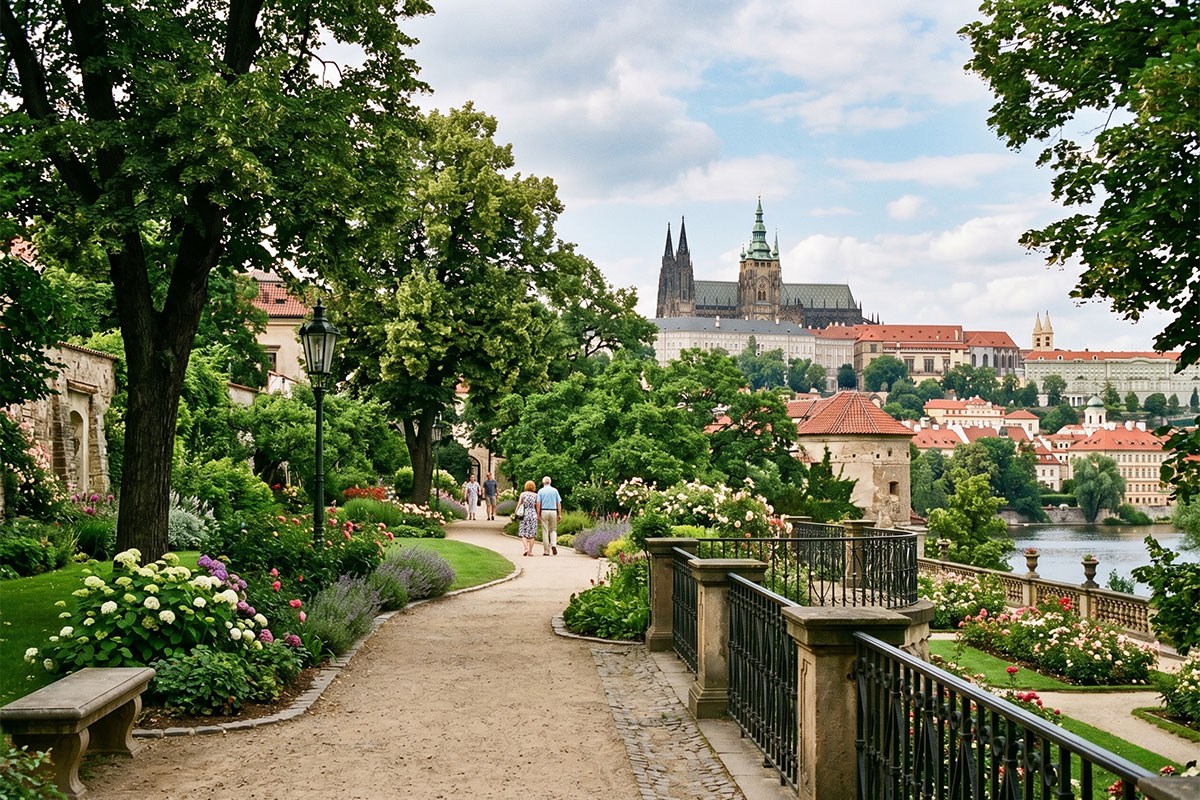
| Modernism | Plečnik's Gardens & Staircases | Marks the birth of the democratic First Republic and the castle's return to the people. |
From Monarchs to Democrats: The First Republic
Perhaps the most pivotal shift in the castle's role regarding national identity occurred in 1918, with the founding of independent Czechoslovakia. The first president, Tomáš Garrigue Masaryk, faced the monumental task of transforming a symbol of Habsburg monarchy into a beacon of modern democracy. He understood that for the new republic to be accepted, the castle had to be reclaimed—not just politically, but visually and spiritually. This was not about erasing the past, but about reinterpreting it for a free people.
Masaryk engaged the Slovenian architect Jože Plečnik to renovate the castle, and his contributions were profound. Plečnik removed high walls, created accessible gardens, and installed monolithic basins and obelisks that spoke to democratic ideals and Slavic unity. These renovations were a deliberate attempt to open the castle to the public, transforming it from a forbidden fortress into a civic space. This era cemented the idea that the castle belonged to the citizens, a sentiment that would be severely tested in the decades to follow.
Shadows and Light: The 20th Century Struggle
The 20th century brought dark clouds over Hradčany, turning the castle into a symbol of occupation and oppression. When Adolf Hitler looked out from the castle windows in 1939, it was a moment of profound national violation. Later, during the communist era, the castle became isolated once again, a mysterious citadel where decisions were made behind closed doors, disconnected from the will of the people. The courtyards were often empty, and the vibrant connection established during the First Republic was severed. However, the castle's silent presence served as a constant reminder of what was lost and what could be regained.
The Velvet Revolution and the Balcony of Freedom
The redemption of the castle's identity came in November 1989. The Velvet Revolution culminated in the election of Václav Havel as president. When Havel stepped out onto the balcony, overlooking the jubilant crowds, it was the ultimate restoration of Czech national dignity. The slogan "Truth prevails" (Pravda vítězí), which is inscribed on the presidential standard flying over the castle, suddenly rang true again. This transition from a dissident playwright to the head of state, operating from the ancient seat of kings, bridged the gap between the intellectual dissent and historical continuity. It reaffirmed that the Czech identity is rooted in humanism and culture, rather than military might.
The Spiritual Core: St. Vitus Cathedral
While the palaces represent political power, St. Vitus Cathedral represents the spiritual and cultural soul of the nation. It took nearly 600 years to complete, a multi-generational project that survived wars and poverty, symbolizing the incredible perseverance of the Czech people. Inside lie the tombs of patron saints like Wenceslas and Adalbert, as well as the royal mausoleum. It is a sacred necropolis that connects the modern Czech citizen with their mythical and historical ancestors.
- The Crown Jewels: Hidden within the cathedral is the Chamber of the Crown Jewels, secured by seven locks. The keys are held by seven different state and church officials, symbolizing that the custody of the nation is a shared responsibility.
- The Legend of St. Wenceslas: The presence of the saint's relics reinforces the castle's role as a protector. The legend says that in the nation's darkest hour, Wenceslas will ride out from the mountain (or the castle) to save the land.
- Artistic Heritage: From the intricate stained glass by Alphonse Mucha to the Golden Gate mosaics, the cathedral is a gallery of the nation's supreme artistic achievements.
A Living Symbol in the Modern Era
Today, in January 2026, Prague Castle is not a frozen relic; it remains a functioning seat of government and a vibrant cultural hub. It is where the President welcomes foreign dignitaries, where state awards are presented, and where the most significant cultural exhibitions take place. For the Czech people, the castle serves as a barometer of the political climate. When the standard flies, the President is home; when the gates are open, the democracy is functioning. It is a place where history is not just remembered but actively made.
In recent years, Prague Castle has continued to evolve, adapting to the needs of a modern democracy while preserving its historical significance. The castle regularly hosts international summits and cultural events, solidifying its role as a key player on the global stage. The careful restoration and preservation efforts ensure that future generations will be able to appreciate its beauty and historical importance. Furthermore, the Castle's grounds have become increasingly accessible to the public, with new exhibitions and educational programs designed to engage visitors of all ages. The annual celebrations of national holidays, such as Czech Statehood Day, are centered around the Castle, reinforcing its role as a symbol of national unity.
The role of Prague Castle in Czech national identity is multifaceted and deep. It is a guardian of history, a survivor of tyranny, and a canvas for democracy. Whether shrouded in the morning mist or illuminated against the night sky, it stands as a reassurance to the Czech people: nations may rise and fall, ideologies may change, but the castle—and the spirit it protects—remains unshakable.