Unearth the mysteries of Prague Castle by exploring its secret chambers and hidden passages. This article takes you on a journey through the less-known areas of the castle, revealing stories and secrets that have been kept for centuries.
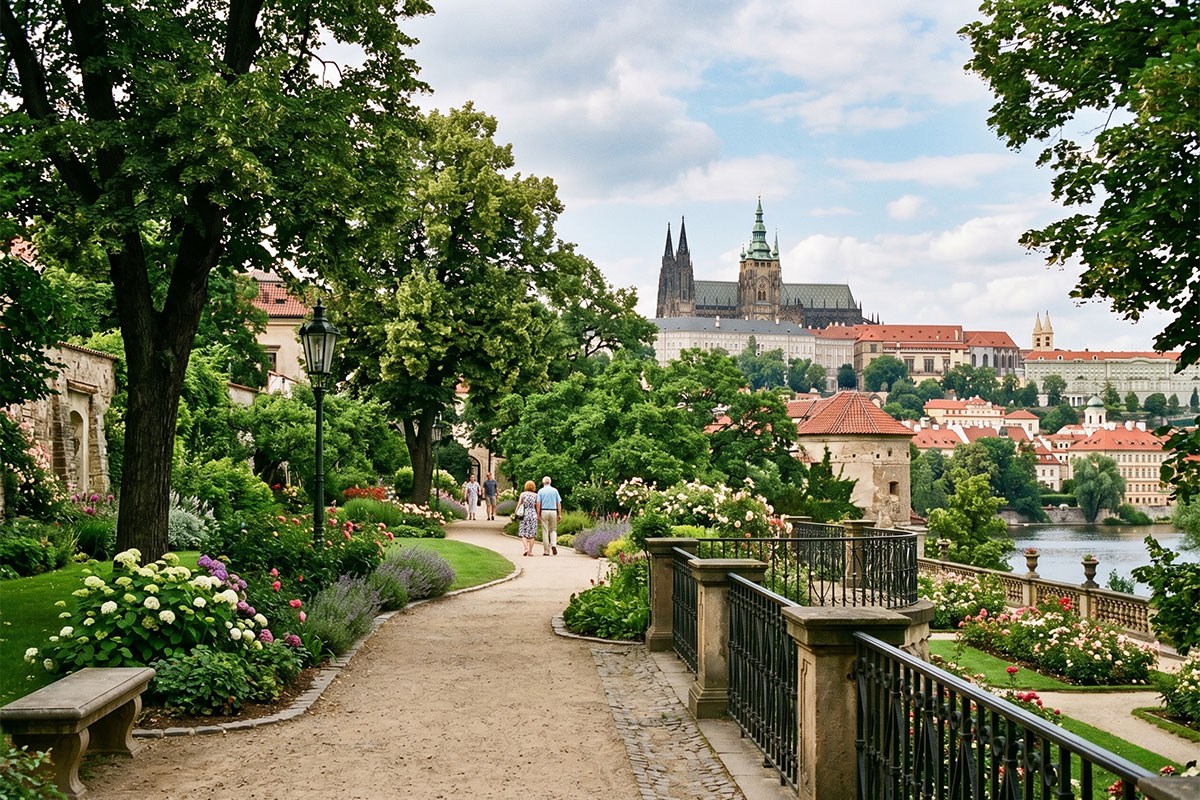
When travelers gaze up at the imposing silhouette of Prague Castle dominating the city skyline, they often see a symbol of power, history, and architectural grandeur that has stood the test of time. As the largest ancient castle complex in the world, it is naturally the focal point of any visit to the Czech capital, drawing millions who wander through its courtyards and marvel at St. Vitus Cathedral. However, beneath the cobblestones and behind the heavy velvet ropes lies a different world entirely—a labyrinth of secret chambers, forgotten corridors, and subterranean passages that tell a darker, more intimate history of Bohemia. As we step into January 2026, the allure of these hidden spaces continues to captivate historians and curious explorers alike, offering a glimpse into the mysteries that have been carefully guarded for centuries.
The true magic of Prague Castle does not only reside in its soaring spires or the changing of the guard, but in the whispered legends echoing through walls that have witnessed alchemical experiments, royal intrigues, and the concealment of priceless treasures. While the standard tour routes offer a splendid overview of imperial luxury, they barely scratch the surface of the complex's architectural onion-layers. To truly understand the soul of this fortress, one must be willing to look for the doors that are usually shut and the staircases that lead into the cool, damp darkness of the underground. This journey is for those who seek to unearth the stories that guidebooks often overlook, venturing into the silent spaces where history feels palpably alive.
The Legend of the Seven Keys and the Crown Chamber
Perhaps the most famous secret within the castle walls is one that is technically known to all, yet accessible to almost no one: the Crown Chamber. Hidden securely within the St. Wenceslas Chapel inside St. Vitus Cathedral, this room houses the Bohemian Crown Jewels, including the legendary St. Wenceslas Crown. The chamber is not merely a vault; it is a fortress within a fortress, sealed by a massive iron door that requires seven distinct keys to open. This is not a metaphor; seven different high-ranking officials of the Czech Republic, including the President and the Prime Minister, must gather simultaneously to unlock the door, a tradition that ensures the safety of the nation's most sacred artifacts.
The interior of the Crown Chamber is said to be as modest as its contents are resplendent, designed to protect the jewels rather than display them. Legend dictates that anyone who places the crown on their head without the right to rule will die within a year—a myth famously associated with relentless historical figures who dared to disrespect the relic. While the public cannot enter this secret chamber, standing before the door in the St. Wenceslas Chapel offers a chilling connection to the weight of history. The very knowledge that tons of gold and precious gems rest just a few feet away, guarded by ancient locks and curses, adds a layer of mystique to the cathedral that stained glass alone cannot convey.
The Forgotten Tunnels of Jože Plečnik
While the medieval history of the castle is fascinating, some of its most intriguing hidden passages are relatively modern, dating back to the First Republic in the early 20th century. Under the presidency of Tomáš Garrigue Masaryk, the brilliant Slovenian architect Jože Plečnik was commissioned to renovate the castle and connect it more organically with the city and its gardens. The result was a series of tunnels and staircases that remain some of the castle's most atmospheric hidden gems. Plečnik’s design philosophy was about blending the old with the new, creating spaces that feel timeless and somewhat esoteric.
One such passage connects the castle courtyards with the Deer Moat (Jelení příkop), a natural ravine that runs along the northern side of the complex. These brick-lined tunnels were designed to allow the president to move discreetly and to provide a seamless transition between the manicured formal grounds and the wilder nature below. Walking through the accessible parts of these areas, visitors often notice the distinct shift in acoustics and temperature. The air here is cooler, carrying the scent of damp earth and old stone, and the architecture shifts from imperial grandeur to a functional, almost mystical modernism that Plečnik was famous for.
Subterranean Secrets: The Royal Crypt and Old Excavations
Beneath the hallowed floors of St. Vitus Cathedral lies the Royal Crypt, a sombre and silent chamber that serves as the final resting place for Czech kings and queens, including Charles IV, the Holy Roman Emperor. While the crypt is part of the paid circuit, many visitors rush through it without realizing the extent of the underground network surrounding it. Recent archaeological excavations, some of which have continued into the 2020s, have revealed layers of history dating back to the 9th and 10th centuries. These subterranean layers show the evolution of the site from a pagan meeting place to a Christian stronghold, with remnants of older rotundas and basilicas hidden beneath the current Gothic structure.
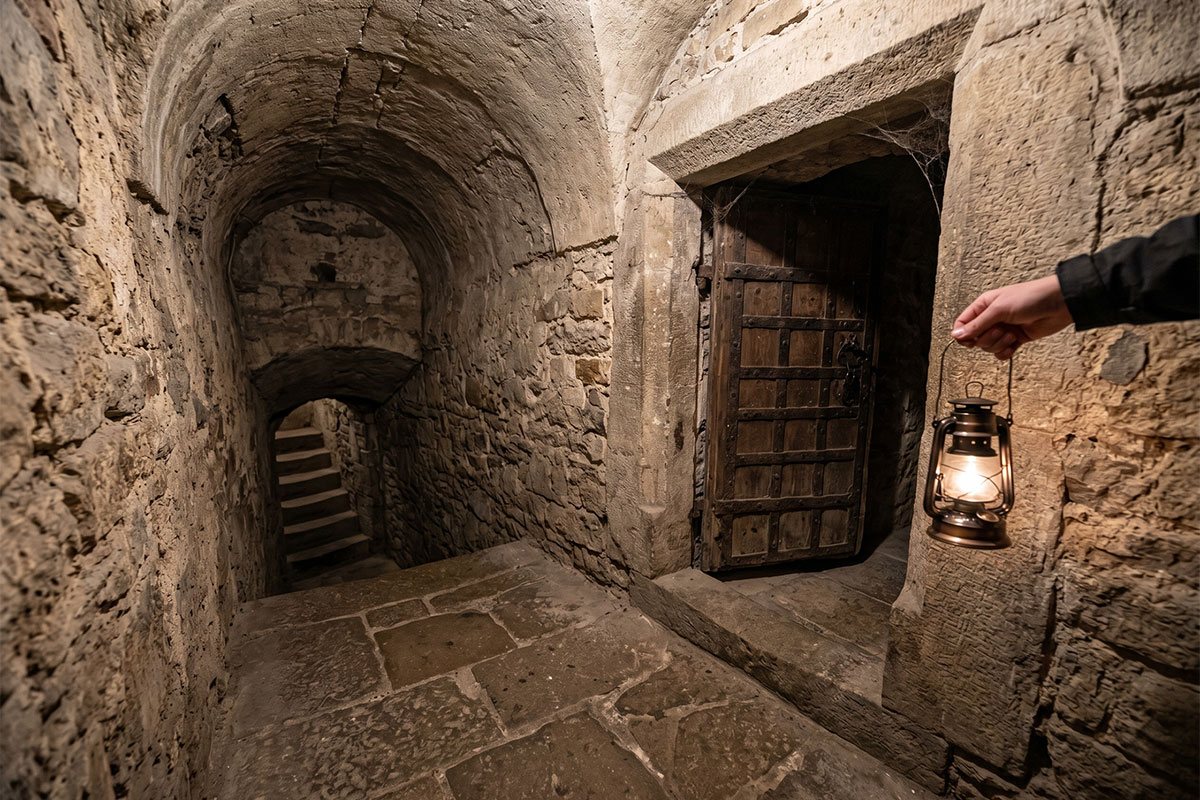
Venturing deeper into the history of the castle's underground, one discovers the remnants of the old heating systems and water ducts that were engineering marvels of their time. These narrow, claustrophobic passages were the veins of the castle, keeping the immense stone structures habitable during the freezing Bohemian winters. Occasionally, special tours or "Open House" events grant access to these utility tunnels, revealing the incredible manual labor required to maintain the comfort of the aristocracy. It is in these dark, cramped spaces that one feels the truest connection to the servants and workers who built and maintained the castle, far removed from the gold and velvet of the royal apartments above.
Accessing the Inaccessible: A Guide to Hidden Areas
Navigating the secrets of Prague Castle requires a bit of planning, as not all hidden chambers are open year-round. Some areas are strictly off-limits, while others open only for special exhibitions or national holidays. Understanding the rhythm of the castle's accessibility can help you plan a visit that goes beyond the ordinary. The following table provides a breakdown of these unique locations and their typical accessibility status:
| Hidden Location | What lies inside? | Accessibility Level |
| The Crown Chamber | Bohemian Crown Jewels | Strictly Closed (Jewels displayed rarely) |
| Plečnik’s Tunnels | Passages to Deer Moat | Seasonal (Usually Spring/Summer) |
| The White Tower | Medieval Prison & Torture Chambers | Open to Public (Separate entry) |
| Presidential State Rooms | Ceremonial Halls | Special National Holidays Only |
| Rudolf Gallery (New) | Restored Art Halls | Occasional Exhibitions |
The Alchemists' Shadows and the White Tower
No exploration of Prague Castle's secrets would be complete without mentioning the reign of Rudolf II, a monarch obsessed with the occult, astrology, and alchemy. While the picturesque Golden Lane is often associated with alchemists, the true, grittier history lies within the White Tower and the Daliborka Tower. These structures served as prisons for the nobility and, ironically, for the very alchemists who failed to produce gold for the Emperor. The White Tower, in particular, holds a heavy atmosphere; its walls are covered in scratchings and inscriptions left by prisoners centuries ago, a haunting testament to their despair and boredom.
Among the most famous "guests" was the English alchemist Edward Kelley, who was imprisoned after falling out of favor with the Emperor. Tales suggest that he attempted to escape by twisting a rope from his bedsheets, only to fall and shatter his leg, leading to his eventual death. Exploring these towers offers a stark contrast to the polished beauty of the palaces. The spiral staircases are steep and worn, and the air is thick with the stories of those who entered but never left. It serves as a grim reminder that the castle was not just a home for kings, but a fortress where justice—and injustice—was swiftly dealt.
Tips for the Intrepid Explorer
If you are determined to see the side of Prague Castle that most tourists miss, you need to adopt a different approach to your visit. Rushing through the main circuit in two hours will leave you with only a superficial understanding. Instead, slow down and observe the details—the symbols carved into the stone, the blocked-up doorways, and the faint outlines of former structures. To maximize your chances of seeing hidden areas, consider the following strategies:
- Visit During National Holidays: Dates like October 28th or May 8th often see the opening of the Presidential State Rooms and other restricted halls to the general public.
- Explore the Gardens and Moat: Don't just stay in the courtyards. The Royal Garden and the Deer Moat often contain entrances to follies, tunnels, and viewpoints that offer unique angles of the castle architecture.
- Hire a Private Guide: Specialized historians often have access to keys or knowledge that standard tour groups do not possess, unlocking stories that are not on the audio guide.
- Look for "Open House Prague": This annual festival opens the doors to buildings usually closed to the public, and castle buildings are sometimes included in the program.
- Go Off-Season: Visiting in months like January allows for a quieter experience, where the silence of the cathedral and the crypts can be truly appreciated without the noise of crowds.
Prague Castle is an entity that breathes; it expands and contracts with the flow of history. By seeking out its secret chambers and hidden passages, you are not just sightseeing; you are engaging with the living memory of a nation. Whether it is the sealed door of the Crown Jewels or the echo of footsteps in a Plečnik tunnel, these hidden spaces remind us that the most fascinating stories are often the ones that are hardest to find.