Discover how the masterpieces housed within Prague Castle serve as more than just decoration; they are the visual soul of the Czech nation. From the eccentricities of Rudolf II to the patriotic strokes of Alfons Mucha, this article explores the deep connection between art and Czech national identity. Learn about the collection's current state and preservation efforts.
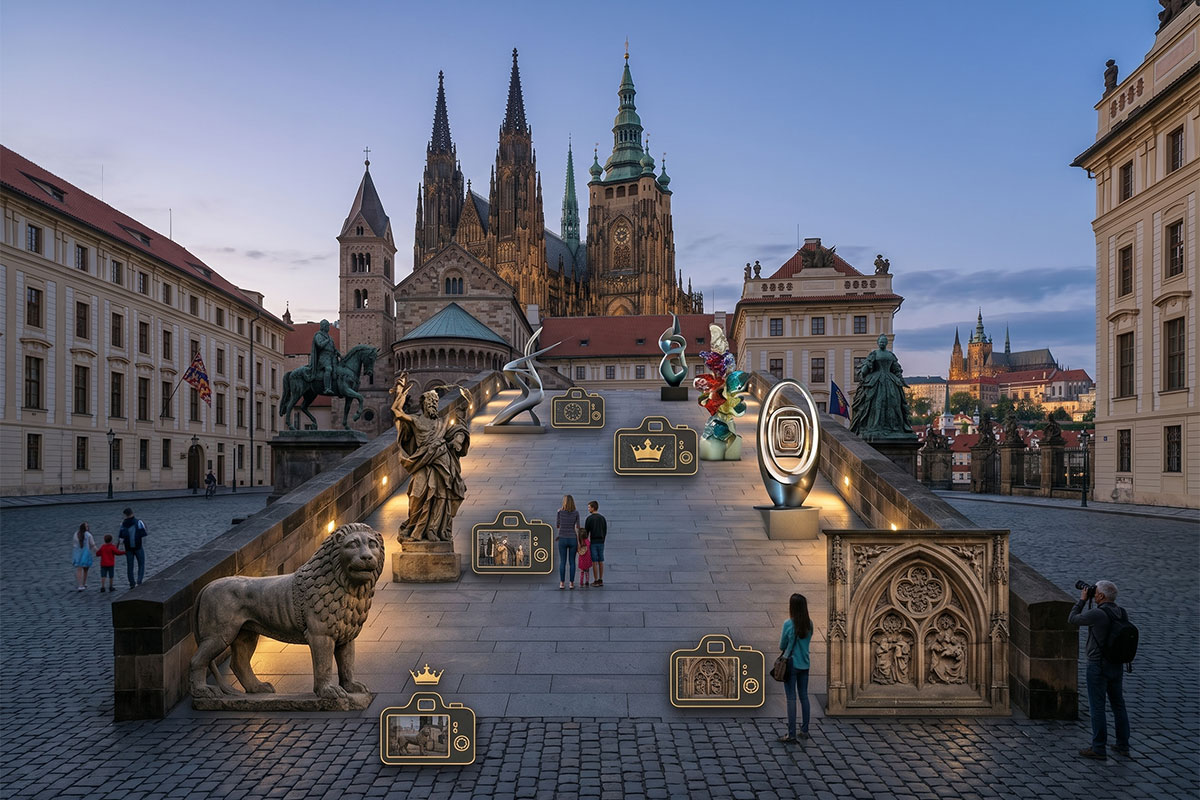
When you stand upon the cobblestones of the Third Courtyard in Prague Castle, looking up at the imposing spires of St. Vitus Cathedral, you are not merely visiting a tourist attraction; you are entering the physical embodiment of the Czech state. However, the true soul of this nation is arguably found not in the stone walls, but in the masterpieces hanging within them. As we navigate through January 2026, the art collection at Prague Castle remains a poignant testament to the resilience, creativity, and complex history of the Czech lands. It is a collection that has survived wars, looting, and political upheavals, mirroring the very survival of the Czech identity itself.
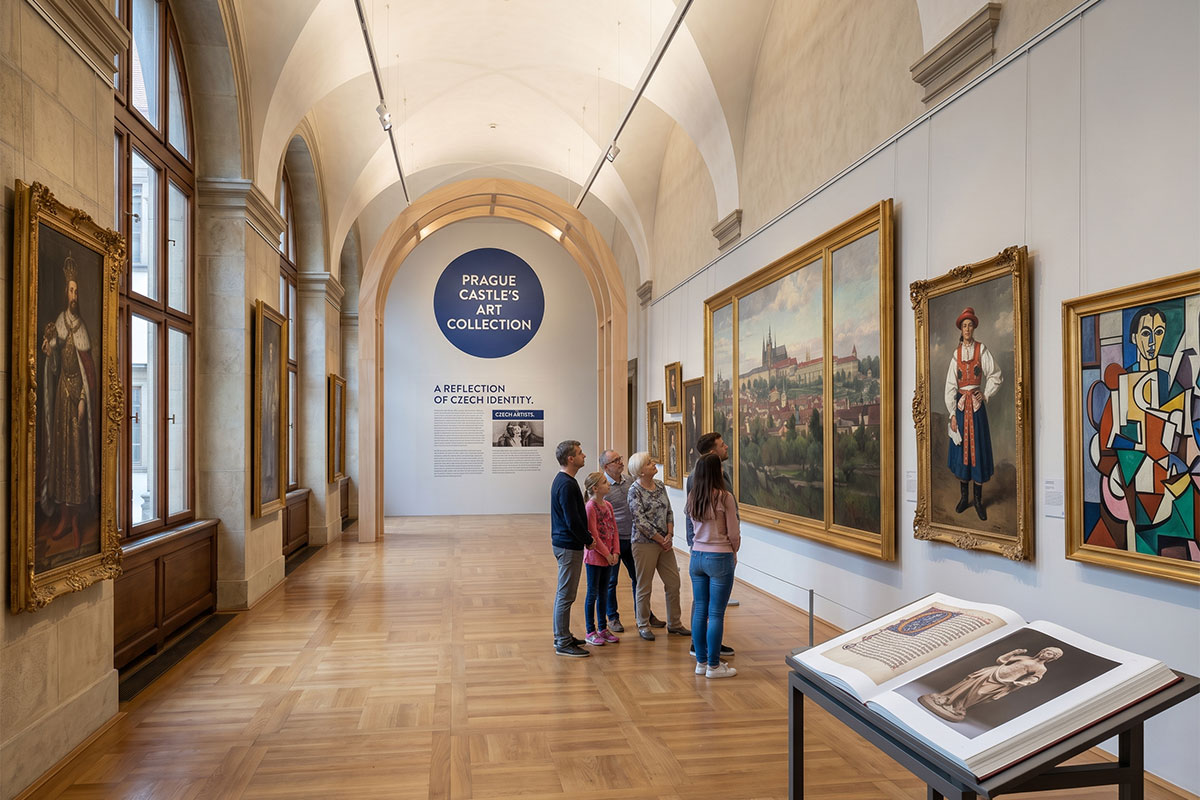
To understand the Czech people, one must look beyond the architecture and delve into the canvas and sculpture that have been guarded here for centuries. The art collection is not a static museum exhibit; it is a living narrative of Bohemia’s golden ages and its darkest hours. It tells the story of a nation that has always stood at the crossroads of East and West, absorbing influences while fiercely maintaining its own unique character. From the Mannerist eccentricities of Emperor Rudolf II to the Slavic nationalism of the modern era, every brushstroke offers a clue to what it means to be Czech.
The Legacy of Rudolf II: The Alchemist Emperor’s Dream
No discussion of Prague Castle’s art can begin without paying homage to Emperor Rudolf II. In the late 16th and early 17th centuries, he turned Prague into the cultural capital of Europe, fostering an environment where science, alchemy, and art intertwined. For the Czech national narrative, this era represents a pinnacle of intellectual and artistic influence. Rudolf’s court was a sanctuary for Mannerism, a style characterized by sophistication, complexity, and a touch of the bizarre—traits that often resonate with the mysterious and somewhat melancholic atmosphere of Prague itself.
Rudolf’s passion for collecting created the legendary Kunstkammer (Cabinet of Curiosities), which gathered items from the known world and beyond. While much of this collection was looted by Swedish troops in 1648—a traumatic event deeply embedded in Czech historical memory—the remnants and subsequent acquisitions in the Prague Castle Picture Gallery still reflect this golden era. The works of court painters like Hans von Aachen and Bartholomeus Spranger display an intellectual depth and sensuality that defined the Bohemian view of the world: a place where the magical and the real coexist.
Surviving the Swedish Sack and Rebuilding Identity
The history of the collection is also a history of loss and recovery, which parallels the Czech struggle for sovereignty. The looting of the castle at the end of the Thirty Years' War stripped Prague of many of its greatest treasures. However, the fact that the gallery exists today is a symbol of national resilience. Over the centuries, new acquisitions were made, and lost pieces were recovered or replaced with works by Bohemian masters. This rebuilding process signifies a refusal to let cultural heritage be erased by foreign powers, a recurring theme in Czech history from the Habsburgs to the Soviets.
Baroque Masters: The Emotional Landscape of Bohemia
If the Renaissance represented the intellect of the Czech lands, the Baroque period captured its emotional and spiritual heart. Following the Counter-Reformation, art became a tool to reignite the Catholic faith, resulting in works of immense dramatic power. The Prague Castle Picture Gallery houses significant works that showcase this intense period. Unlike the cool detachment of earlier styles, Czech Baroque art is visceral, filled with light, shadow, and movement.
Local masters such as Petr Brandl and Karel Škréta are pivotal here. Their paintings are not just religious icons; they are expressions of the Bohemian temperament. Brandl’s use of chiaroscuro rivals that of Rembrandt, yet his subjects often carry a distinctly local gravity. For the Czech visitor, these paintings are reminders of a time when the land was reshaping its spiritual identity under immense pressure, finding beauty and transcendence in suffering and devotion.
Key Masterpieces and Their Cultural Significance
To truly grasp the narrative woven through the gallery, it is helpful to look at specific works that anchor the collection. The following table highlights key pieces and their connection to the broader Czech narrative:
| Artist / Era | Type of Work | Significance to Czech Identity |
| Hans von Aachen | Mannerist Portraits | Represents the cosmopolitan and intellectual peak of Rudolfine Prague, a time when the city was the center of the world. |
| Titian (Tiziano Vecellio) | Young Woman at Her Toilet | Although Italian, its presence signifies the castle's connection to the broader European cultural heritage and the sophisticated tastes of the Bohemian kings. |
| Petr Brandl | Baroque Religious Paintings | Reflects the deep, emotional spirituality of the Czech lands during the Counter-Reformation and the rise of local artistic genius. |
| Alfons Mucha | Stained Glass (St. Vitus) | A direct expression of Slavic unity and national awakening in the 20th century, bridging the gap between history and modern nationhood. |
St. Vitus Cathedral: Art as a National Chronicle
Moving from the Picture Gallery to St. Vitus Cathedral, the art transforms from private collection to public proclamation. The cathedral is the spiritual heart of the nation, and its artistic adornments are chapters in Czech history. The most striking example of art serving national identity here is the stained-glass window designed by Alfons Mucha in the 1930s. Unlike the traditional gothic glass surrounding it, Mucha’s window is vibrant, emotional, and deeply Slavic. It depicts the roots of Christianity in the Czech lands, celebrating Saints Cyril and Methodius.
Mucha’s work in the cathedral is a powerful statement. It asserts that while the architecture may be Gothic and universal, the spirit of the place is distinctly Czech. It connects the ancient patron saint, St. Wenceslas, with the modern national revival. The St. Wenceslas Chapel itself, encrusted with semi-precious stones and adorned with cycles of frescoes, serves as a sanctuary of the state. The art here protects the Crown Jewels, symbols of Czech sovereignty that are more than just gold and gems; they are the legendary guardians of the nation’s freedom.
The Modern Reflection: Why It Matters Today
In 2026, the art collection at Prague Castle continues to serve as a mirror for the nation. It is not merely a display of wealth, but a curated memory of who the Czech people are. The eclectic mix of Italian masters, Dutch landscapes, and Bohemian portraits reflects a nation that has always been a melting pot of European cultures while maintaining a fierce independence. The collection embodies the Czech ability to appreciate beauty even in the face of adversity.
The preservation of these works speaks to the values held dear by the Czech society:
- Resilience: The ability to rebuild and recover cultural treasures after centuries of conflict.
- Intellectual Curiosity: A heritage rooted in the scientific and artistic inquiries of the Rudolfine era.
- Spiritual Depth: An acknowledgment of the profound religious history that shaped the landscape and the people.
- National Pride: The celebration of local masters like Brandl and Mucha alongside global giants.
Visiting Prague Castle’s art collection is an investigation into the Czech soul. It reveals a narrative that is complex, occasionally tragic, but ultimately triumphant. The art here does not just decorate the walls; it validates the existence and the enduring spirit of the Czech nation.
Today, the Prague Castle art collection is meticulously maintained by a dedicated team of curators and conservators. Ongoing efforts focus on preserving the masterpieces for future generations through advanced conservation techniques and careful environmental control. The collection is also actively being expanded through strategic acquisitions and collaborations with international institutions, ensuring that it remains a dynamic and relevant reflection of Czech identity in the 21st century. Furthermore, digital initiatives are underway to make the collection more accessible to a global audience, allowing anyone, anywhere, to explore the visual soul of the Czech nation.