Step beyond the stunning architecture of Prague Castle to uncover centuries of political machinations, royal betrayals, and the dark legends of the Bohemian kings. This guide explores the hidden stories that shaped European history.
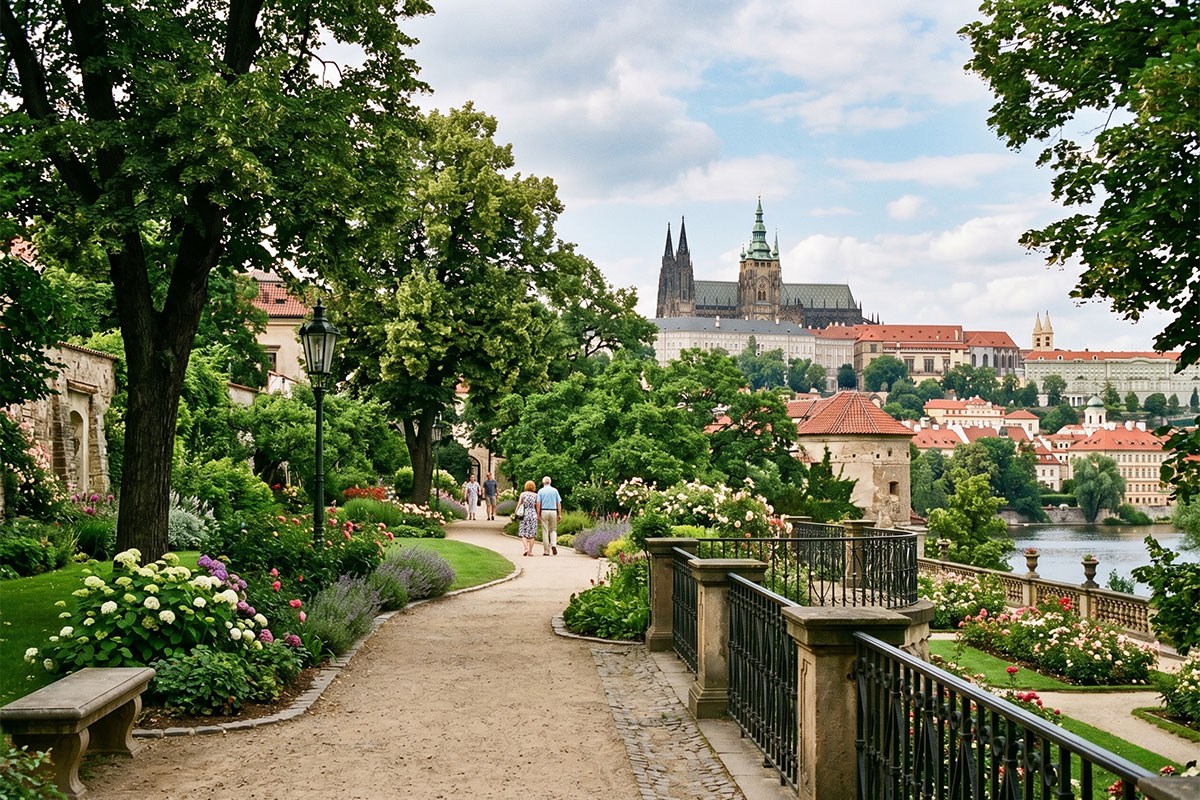
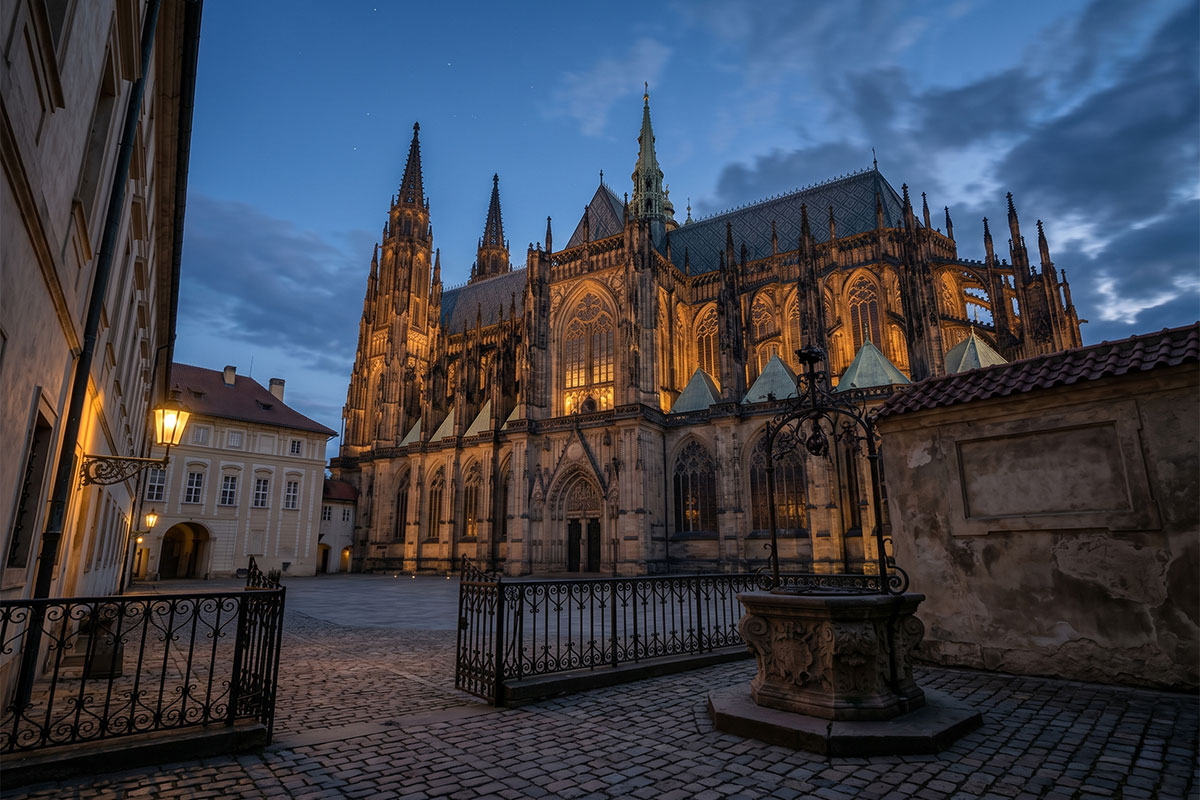
When you stand on the Charles Bridge and look up at the imposing silhouette of Prague Castle dominating the skyline, you are not just looking at the largest ancient castle complex in the world; you are gazing at a vault of European secrets. For over a thousand years, these walls have witnessed more than just the coronation of kings and the prayers of saints. They have absorbed the whispers of conspirators, the desperate pleas of the condemned, and the clandestine meetings that redrew the maps of empires. While tourists often marvel at the Gothic spires of St. Vitus Cathedral, the true allure of this Hradčany fortress lies in the invisible web of political intrigues and power struggles that have unfolded within its stone corridors.
The Stage of Power: A Theater of Shadows
Prague Castle has never been merely a residence; it is a fortified stage where the drama of Bohemian and Holy Roman history was enacted with ruthless precision. Unlike the fairytale castles of Bavaria, this complex was built for power, defense, and intimidation. Every courtyard and palace wing represents a different chapter in a saga of dominance, from the Přemyslid dynasty to the Habsburgs, and eventually to the modern presidents of the Czech Republic. To understand the castle is to understand the volatile nature of power in Central Europe, where alliances were as fragile as glass and betrayal was often the quickest path to the throne.
Rudolf II and the Court of Alchemists
Perhaps no era in the castle's history is as shrouded in mystery and eccentricity as the reign of Emperor Rudolf II. In the late 16th and early 17th centuries, he turned Prague into the capital of the occult, science, and arts, moving the Habsburg court from Vienna to the Bohemian lands. However, this was not just a pursuit of knowledge; it was a desperate attempt to unlock the secrets of the universe to maintain political superiority. Rudolf II was a recluse, prone to bouts of melancholy, and he surrounded himself with a bizarre entourage of astronomers like Tycho Brahe and Johannes Kepler, alongside charlatans and alchemists promising to turn lead into gold. He was a patron of the arts, amassing a vast collection of paintings, sculptures, and curiosities, many of which can still be seen in Prague's museums today. His collections included everything from ancient artifacts to exotic animals, creating a veritable cabinet of wonders within the castle walls.
The Emperor's obsession created a unique atmosphere of intrigue:
- The Search for the Philosopher's Stone: The famous Golden Lane (Zlatá ulička), with its tiny, colorful houses, is often associated with the alchemists Rudolf supposedly housed there to conduct experiments in secret.
- The Golem Legend: It was during this time that Rabbi Löw is said to have created the Golem of Prague to protect the Jewish Ghetto, a story deeply intertwined with the mystical atmosphere Rudolf cultivated.
- Political Paralysis: While Rudolf gazed at the stars, his brother Matthias was actively plotting to overthrow him. The castle became a prison of his own making, where the Emperor hid from his responsibilities until he was eventually forced to cede power. His eccentricities and distractions allowed rival factions to gain influence, further destabilizing his reign.
The Defenestrations: When Politics Took Flight
In the lexicon of political violence, few terms are as specific or as fascinating as "defenestration"—the act of throwing someone out of a window. Prague Castle is the birthplace of this drastic method of political dissent, having hosted events that plunged Europe into chaos. The most consequential of these occurred on May 23, 1618, an event that is widely cited as the spark for the Thirty Years' War, one of the most destructive conflicts in human history.
The Incident at the Bohemian Chancellery
Tensions between the Protestant Bohemian aristocracy and the Catholic Habsburg rulers had reached a boiling point. A group of angry Protestant nobles marched into the Old Royal Palace, ascended to the Bohemian Chancellery, and confronted the imperial regents. After a heated exchange regarding religious freedoms and royal decrees, the nobles seized two regents, Jaroslav Bořita of Martinice and Vilém Slavata of Chlum, along with their secretary, and threw them out of the third-story window.
The aftermath of this event highlights the power of propaganda in historical intrigue:
The victims survived the 70-foot fall. The Catholic side immediately claimed this was a miracle, asserting that angels had swooped down to catch them, proving God was on the side of the Habsburgs. The Protestant rebels, however, offered a much earthier explanation: they claimed the men had simply landed in a large pile of manure that had accumulated in the moat. Regardless of the cause of their survival, this act of rebellion within the castle walls set off a chain reaction of alliances and battles that reshaped the continent.
The Crown Jewels and the Curse of St. Wenceslas
Deep within the St. Vitus Cathedral lies the Chamber of the Crown Jewels, arguably the most guarded and mysterious location in the entire country. The Bohemian Crown Jewels, including the St. Wenceslas Crown, are not just symbols of monarchy; they are legendary artifacts protected by a complex protocol and a terrifying curse. Access to the chamber requires seven different keys held by seven different political and religious figures, including the President and the Prime Minister, symbolizing that the power of the nation is shared and checked.
The Legend of the Usurper
A chilling legend surrounds the St. Wenceslas Crown: it is said that any person who is not the rightful king but places the crown upon his head will die within a year. This story gained grim traction during World War II. Reinhard Heydrich, the ruthless Nazi Reichsprotektor, allegedly placed the crown on his head during a secret visit to the jewel chamber as a sign of his dominion over the Czech lands. Whether true or apocryphal, the timing was uncanny; Heydrich was assassinated by Czech paratroopers shortly thereafter, succumbing to his wounds within the year. This story serves as a potent reminder of the castle's role as a guardian of national sovereignty, even in the darkest times.
Architecture of Intrigue: Hidden Passages and Spaces
The physical structure of Prague Castle has evolved to accommodate the need for secrecy. The complex is a labyrinth of connecting corridors, hidden staircases, and private oratories that allowed rulers to move unseen or spy on their courts. The architecture itself tells the story of paranoia and protection.
| Location | Historical Function | The Secret Within |
| The Vladislav Hall | Coronations and Tournaments | The rider's staircase was built with shallow steps so knights could enter on horseback, allowing for displays of military might indoors. |
| The Ludwig Wing | Administrative Offices | Site of the 1618 Defenestration. The window offers a deceptive view; the drop is terrifyingly high despite the survival of the regents. |
| St. George's Basilica | Royal Burial Ground | Holds the remains of the earliest Přemyslid rulers, grounding the castle's authority in ancient bloodlines predating the Habsburgs. |
| Deer Moat (Jelení příkop) | Hunting and Defense | Under the Communist regime, this area was strictly off-limits, rumored to house secret bunkers and escape tunnels for party elites. |
Modern Mysteries: The Castle in the 20th Century
The intrigues of Prague Castle did not end with the dissolution of the monarchy. During the Cold War, the castle became the seat of the Communist presidents, and the atmosphere shifted from royal court drama to Orwellian surveillance. The grandiose rooms were often bugged, and the ancient walls hid the paranoia of a regime constantly looking for internal enemies. However, the castle also became a symbol of hope during the Velvet Revolution. When Václav Havel, a dissident playwright, ascended to the presidency, he famously rode a scooter through the castle corridors, symbolically reclaiming the space from the stiff, secretive nature of the previous regime and returning it to the people.
Exploring the Castle Today
Visiting Prague Castle is an exercise in reading between the lines. As you walk through the courtyards, try to look past the beautiful facades. Imagine the alchemists scurrying through the shadows of the Powder Tower, the angry nobles storming the Old Royal Palace, and the silent tension of the Cold War era. The true beauty of this place is not just in its stones, but in the human stories of ambition, failure, and resilience that permeate the air. It is a testament to the fact that while regimes crumble and kings fall, the stage of history remains.