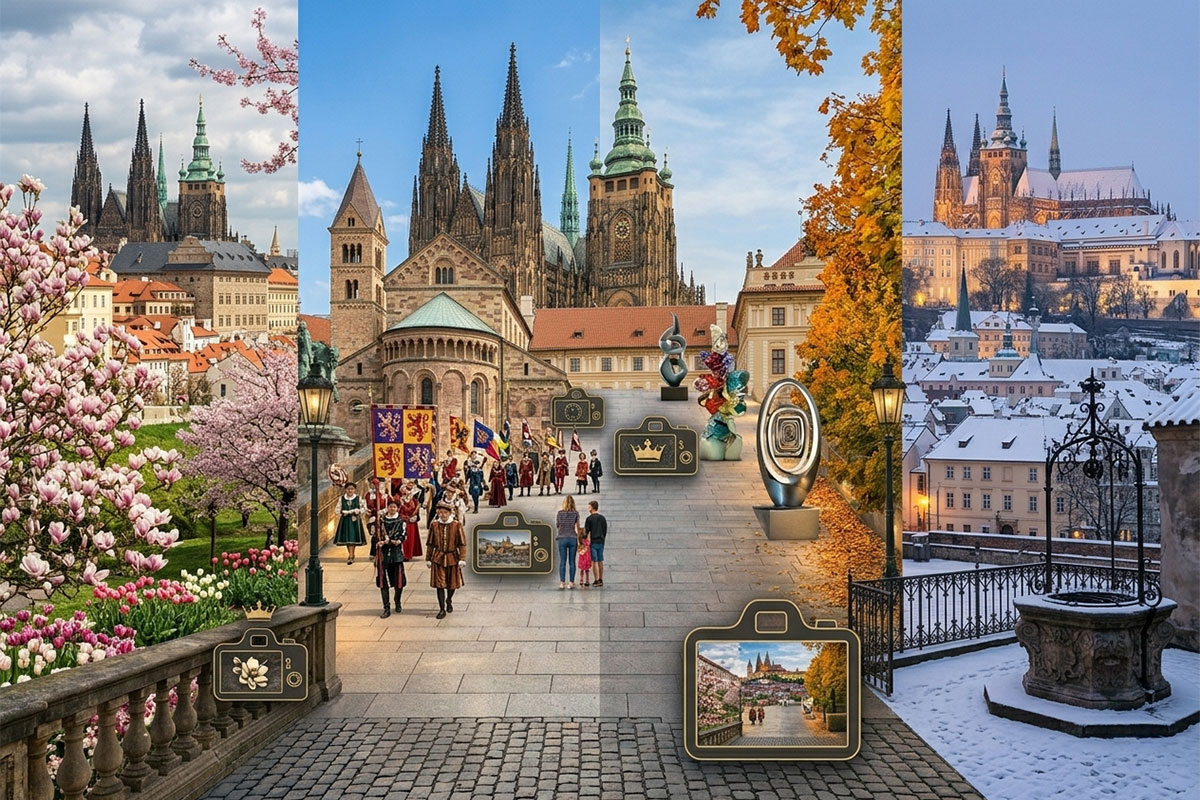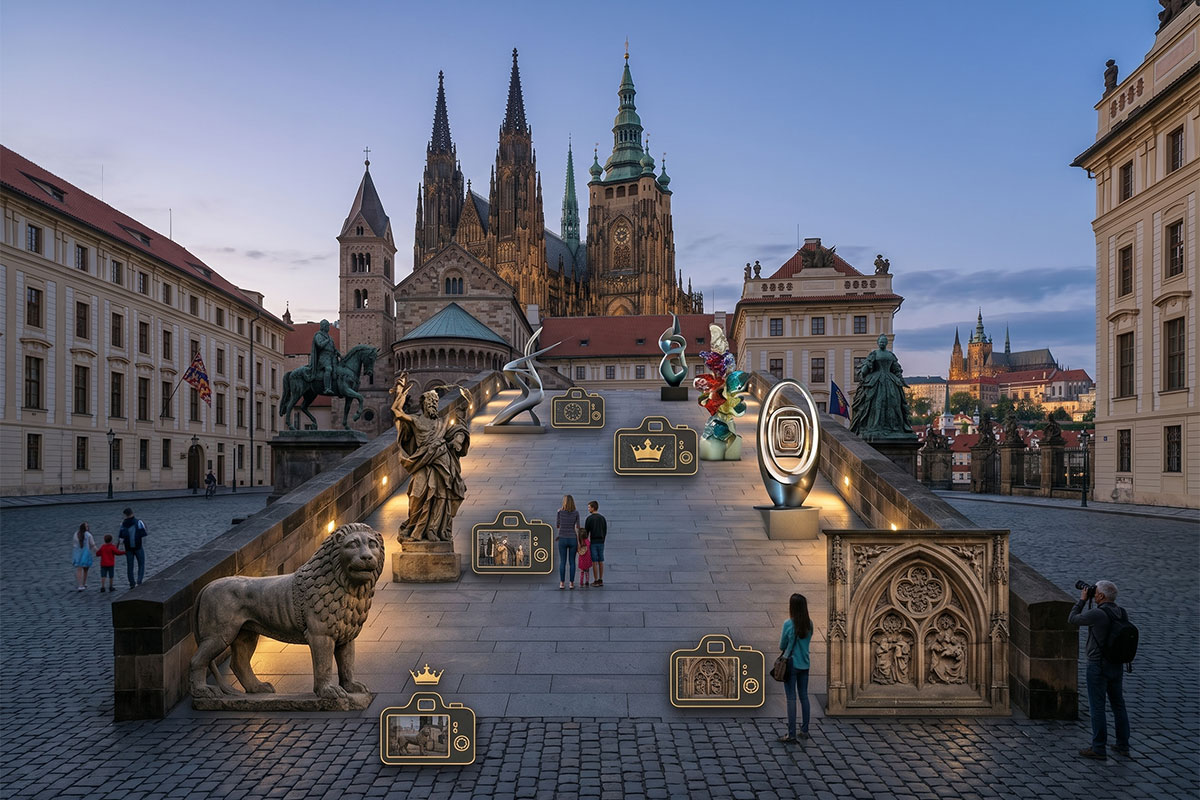
An in-depth exploration of how European kings and emperors, from Charles IV to Maria Theresa, shaped the architecture and history of Prague Castle, transforming it into a lasting symbol of imperial power.
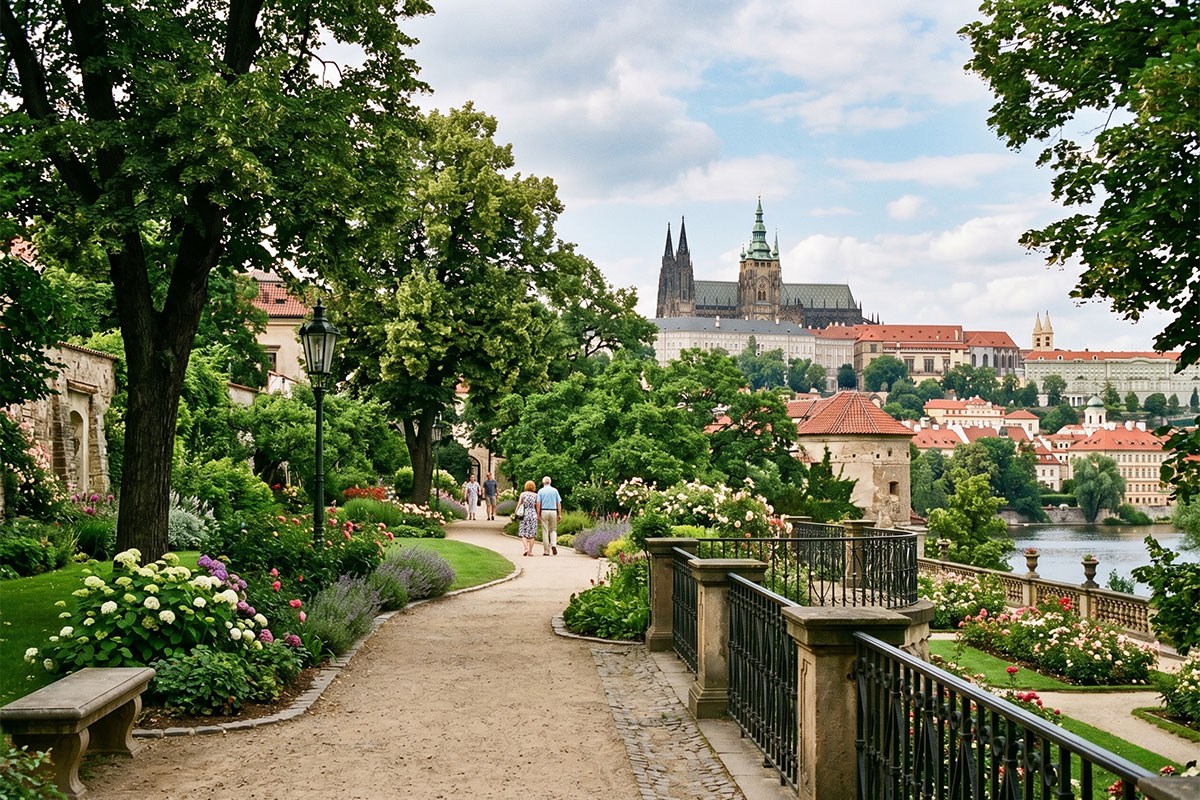
When you stand on the Charles Bridge looking up at the Hradčany skyline, you aren't just looking at a fortress; you are gazing at a thousand years of European political ambition solidified in stone. As we explore the castle grounds in January 2026, the winter mist often adds a layer of mystery to the spires, reminding us that this complex is more than a tourist attraction; it is a sprawling historical document. Prague Castle is unique because it was not built by a single ruler in a single lifetime, but rather sculpted over centuries by distinct monarchs who each brought their own cultural influences, architectural preferences, and thirst for power to the Bohemian capital. Understanding the castle requires peeling back these layers to see how French Gothic, Italian Renaissance, and Austrian Baroque styles collided and coalesced under the direction of Europe’s most powerful figures.
The Vision of Charles IV: A Gothic Imperial Capital
The true transformation of Prague Castle from a mere fortress into a residence worthy of the Holy Roman Emperor began with Charles IV in the 14th century. Educated in Paris, Charles brought a refined French sensibility to Prague, determined to elevate the city to the status of a spiritual and political center of Europe. His most significant contribution remains the St. Vitus Cathedral, a masterpiece that dominates the castle silhouette today. He commissioned the French architect Matthias of Arras and later the German Peter Parler to construct a cathedral that would rival those in France, effectively planting the flag of High Gothic architecture in Central Europe.
Under Charles IV, the castle was not just a defensive structure but a sacred container for royal authority and religious relics. He ordered the reconstruction of the Royal Palace, reinforcing the fortifications and roofing them with slate to mimic the grandeur he had seen in western courts. His reign established a precedent: the castle was to be a stage for imperial pageantry, a concept that future monarchs would strive to uphold or surpass. The layout we walk through today, particularly the relationship between the secular palace and the sacred cathedral, is largely a result of his grand urban planning.
The Jagiellonian Transition: Late Gothic Meets Renaissance
Following the chaos of the Hussite Wars, the Jagiellonian dynasty, specifically Vladislav II, faced the daunting task of restoring the dilapidated castle. His reign marks a fascinating architectural bridge between the fading Middle Ages and the incoming Renaissance. The crown jewel of this era is undoubtedly the Vladislav Hall. Designed by Benedikt Rejt, the hall features intricate, rib-vaulted ceilings that look like intertwined dry branches, a pinnacle of Late Gothic artistry that pushes the structural limits of stone.
However, if you look closely at the windows of Vladislav Hall, you will notice something distinct: they are rectangular and strictly symmetrical, signaling the very first arrival of Italian Renaissance style in Prague. This hall was a multipurpose space used for coronations, banquets, and even indoor jousting tournaments, complete with a Rider’s Staircase designed to allow knights to enter on horseback. This era demonstrated that the castle was evolving from a purely fortified bunker into a ceremonial palace designed for luxury and display.
The Habsburg Era: Renaissance Gardens and Baroque Uniformity
When the Habsburgs took the Bohemian throne, they brought with them a distinct Mediterranean influence, fundamentally altering the castle's domestic character. Ferdinand I wanted to introduce the airy, light-filled architecture of Italy to the gloomier northern climate of Prague. This desire manifested in the construction of the Royal Summer Palace (Belvedere) in the castle gardens. It stands as one of the purest examples of Italian Renaissance architecture north of the Alps, serving as a testament to the monarch's desire to civilize the rugged fortress environment with art, symmetry, and nature.
Rudolf II: The Alchemist Emperor
Perhaps no monarch left a more eccentric mark on the castle than Emperor Rudolf II, who moved the Habsburg capital from Vienna back to Prague in 1583. Rudolf was a patron of the arts, sciences, and the occult, and he turned the castle into a massive cabinet of curiosities (Kunstkammer). During his reign, the castle became a hive of activity for astronomers like Tycho Brahe and Johannes Kepler, as well as alchemists and artists.
- The Spanish Hall: Built to house Rudolf’s immense collection of sculptures and paintings, requiring a massive expansion of the northern wing.
- Golden Lane: While often associated with alchemists in legend, these tiny dwellings were originally built for the castle guards (sharpshooters) during Rudolf's reign, showcasing the overcrowding and vibrant life within the castle walls.
- Scientific Instruments: He constructed observatories and laboratories, shifting the castle's focus from military might to intellectual pursuit.
Maria Theresa: The Great Unification
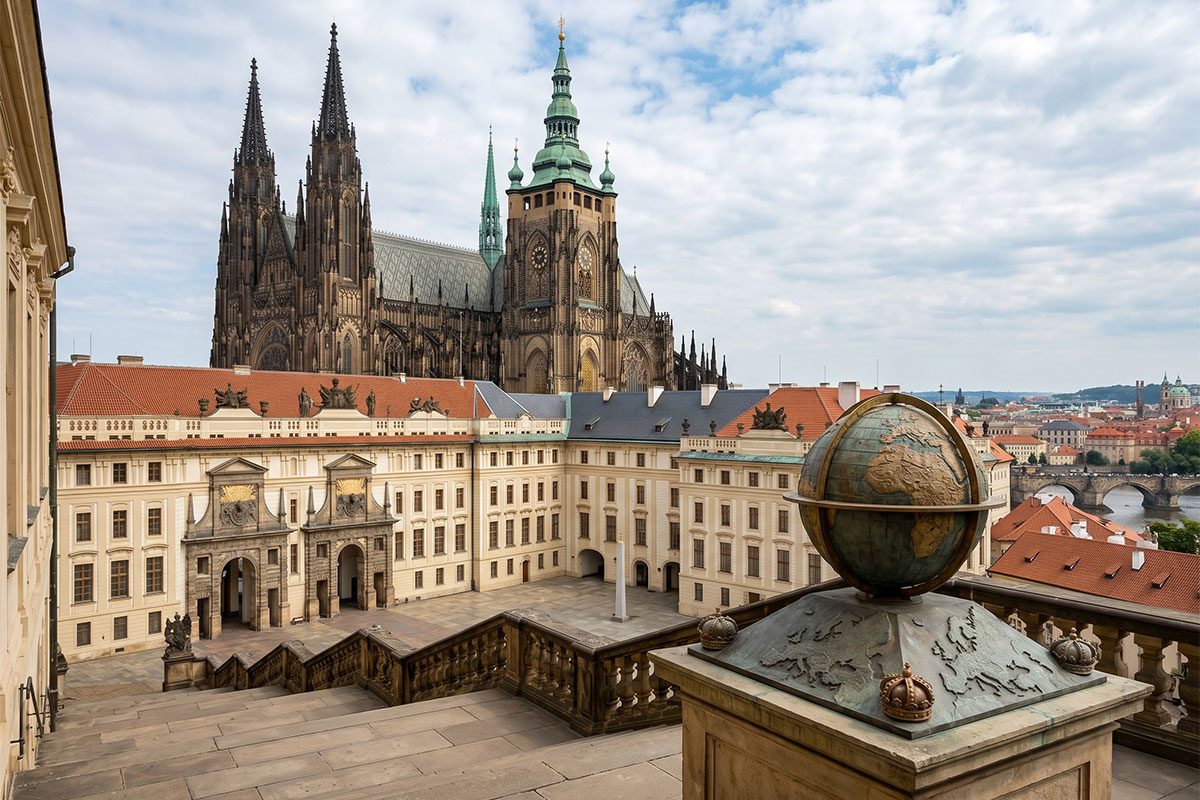
By the mid-18th century, the castle had become a patchwork of different styles that looked somewhat disjointed. Empress Maria Theresa, aiming to modernize the complex and bring it in line with Viennese standards, ordered a massive reconstruction led by architect Nicolo Pacassi. This is the controversial "Theresian Reconstruction" that gave the castle the uniform, Neoclassical facade we see today.
While some historians argue that she erased the medieval character of the exterior, her intervention was crucial in unifying the disparate buildings into a single, cohesive palace complex. She leveled the varying heights of the facades and created the Courtyard of Honor, imposing a sense of Austrian order and discipline upon the Bohemian structure. Her influence turned the castle into a grand administrative center, reflecting the centralized power of the Habsburg monarchy.
Architectural Legacy of the Monarchs
To better understand how these rulers shifted the castle's identity, we can categorize their primary contributions and the resulting architectural shifts in the following breakdown:
| Monarch / Dynasty | Primary Era | Key Architectural Contribution | Symbolic Impact |
| Charles IV | High Gothic | St. Vitus Cathedral, Old Royal Palace renovation | Established Prague as an Imperial and spiritual center. |
| Vladislav II Jagiello | Late Gothic / Early Renaissance | Vladislav Hall, Rider’s Staircase | Transitioned the castle from fortress to ceremonial palace. |
| Ferdinand I | Renaissance | Royal Summer Palace (Belvedere) | Introduced Italian aesthetics and leisure gardens. |
| Rudolf II | Mannerism | Spanish Hall, Golden Lane, Art Collections | transformed the castle into a center of science and art. |
| Maria Theresa | Baroque / Neoclassical | Unified Facades, First Courtyard | Created a cohesive, administrative symbol of centralized power. |
The Modern Echo of Royal Influence
Even after the fall of the monarchy in 1918, the legacy of these rulers dictated how modern architects approached the castle. When Tomáš Garrigue Masaryk became the first president of Czechoslovakia, he hired Slovenian architect Jože Plečnik to update the castle for a democratic era. However, Plečnik did not erase the past; he engaged in a dialogue with it. He respected the footprint laid down by Charles IV and the courtyards defined by Maria Theresa, adding modern touches that highlighted the ancient stonework rather than obscuring it.
Today, as you wander through the courtyards, you are walking through a physical timeline. The imposing verticality of the cathedral speaks of Charles IV’s piety; the delicate arches of the Belvedere whisper of Ferdinand’s Italian nostalgia; and the rigid, pastel facades of the outer walls remind us of Maria Theresa’s iron will. Prague Castle is not just a building; it is a conversation between centuries of monarchs, each trying to leave an indelible mark on the skyline of Europe.