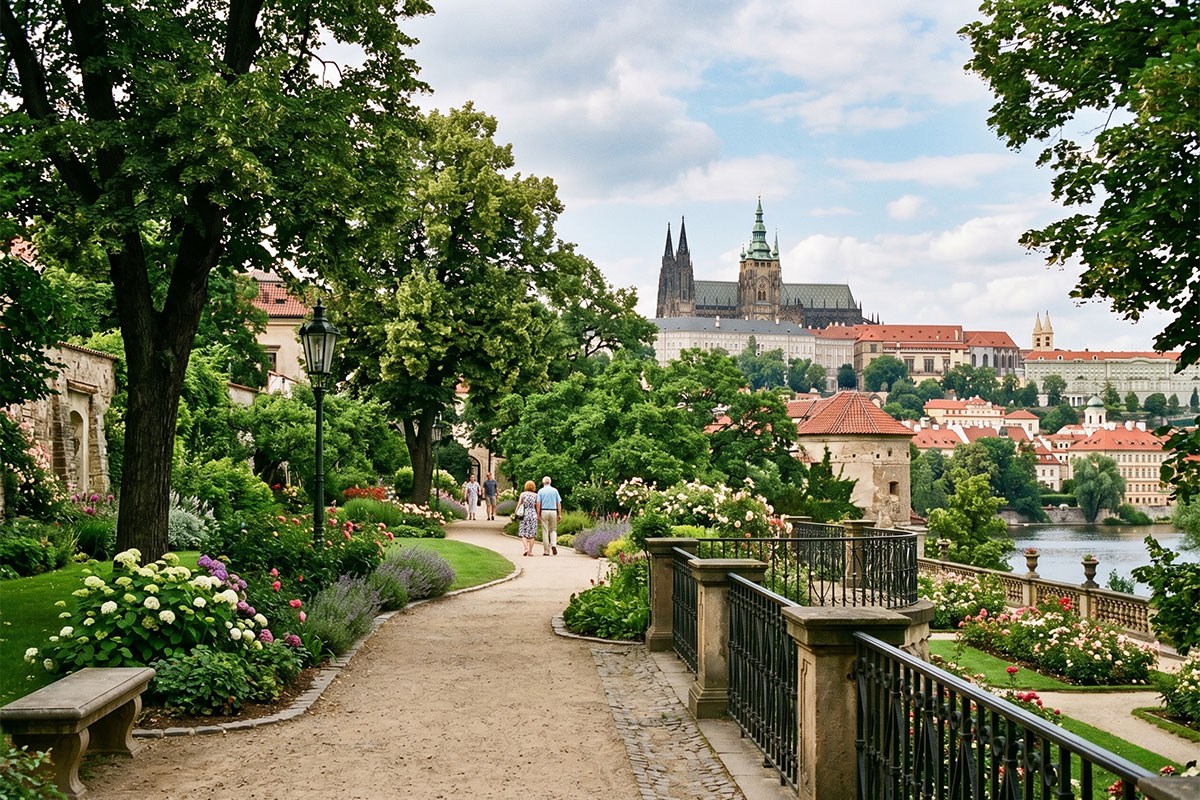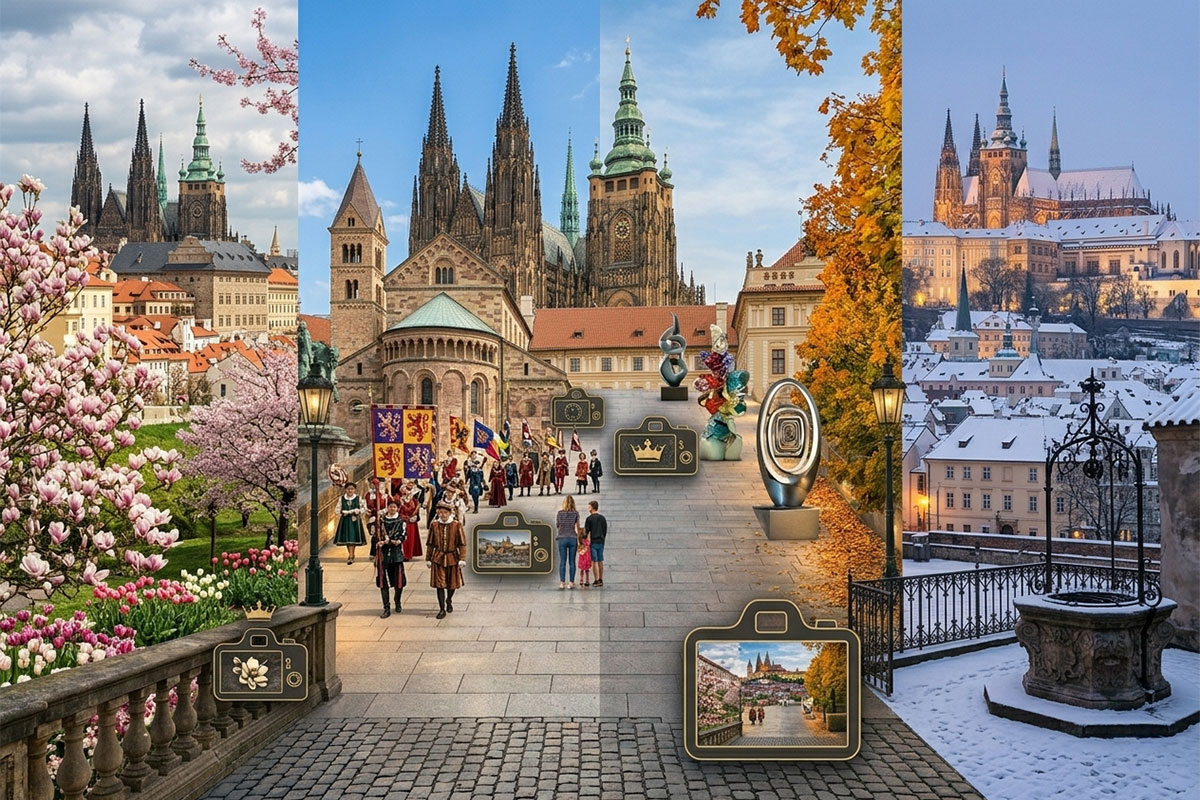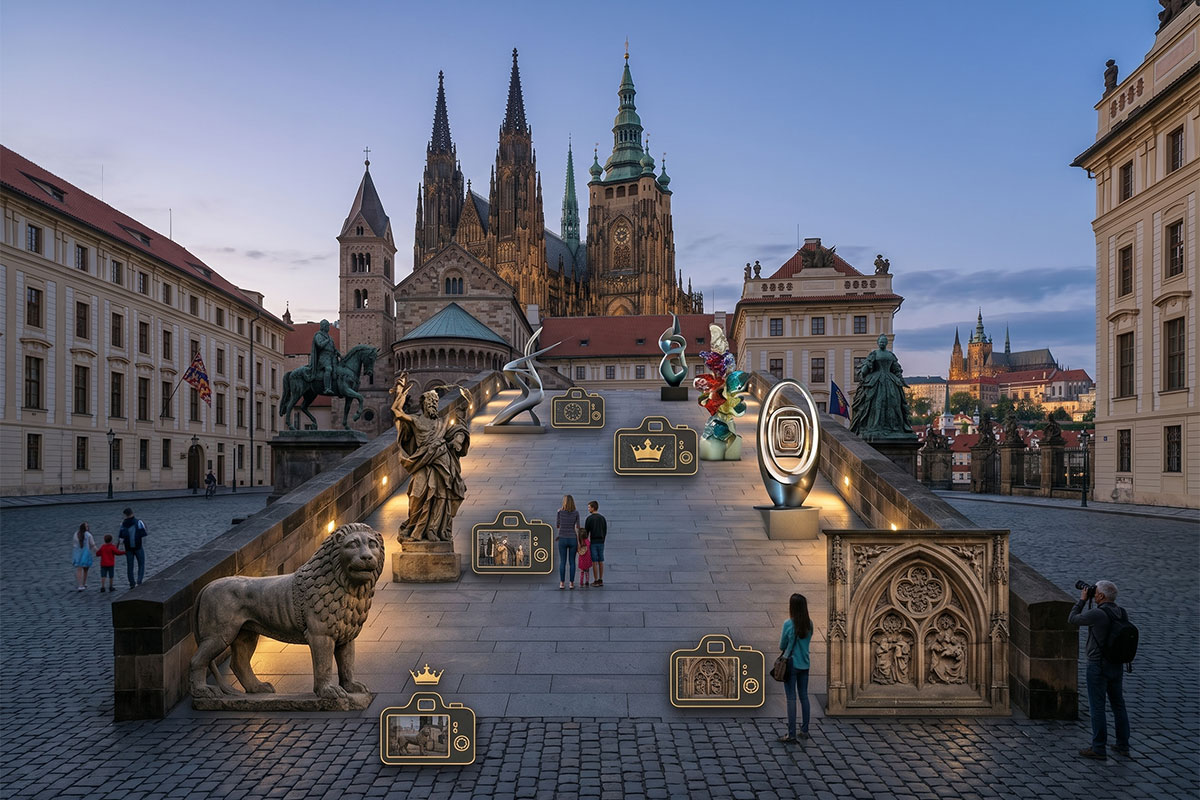
Embark on a visual and historical journey through the sprawling complex of Prague Castle. This guide explores the diverse architectural styles—from Gothic spires to Romanesque solidity—offering photography enthusiasts and history buffs a detailed roadmap to capturing the soul of this Czech landmark.
Standing on the banks of the Vltava River and looking upward, the silhouette of Prague Castle dominates the skyline, serving as a silent sentinel over the Czech capital. For any traveler with a camera in hand or a passion for design, this sprawling complex is far more than a single fortress; it is a living, breathing encyclopedia of architectural history that has evolved over a thousand years. As we explore the castle grounds in early 2026, the experience is less about ticking off a checklist and more about witnessing how centuries of artistic vision have layered upon one another to create a masterpiece of urban composition. From the sharp, imposing lines of Gothic spires to the playful symmetry of the Renaissance, every stone here tells a story of power, faith, and artistic revolution.
Documenting the styles of Prague Castle requires a keen eye for detail and an appreciation for the interplay of light and shadow. The complex is a patchwork of eras, where a single turn can transport you from the dark, mysterious Middle Ages to the enlightened, airy spaces of the 16th century. Whether you are zooming in on the grotesque expression of a gargoyle or capturing the wide, sweeping vistas of the courtyards, understanding the architectural language of these buildings elevates the experience from mere sightseeing to a profound cultural immersion. Let’s dive into the visual narrative of this UNESCO World Heritage site.
The Gothic Giant: St. Vitus Cathedral
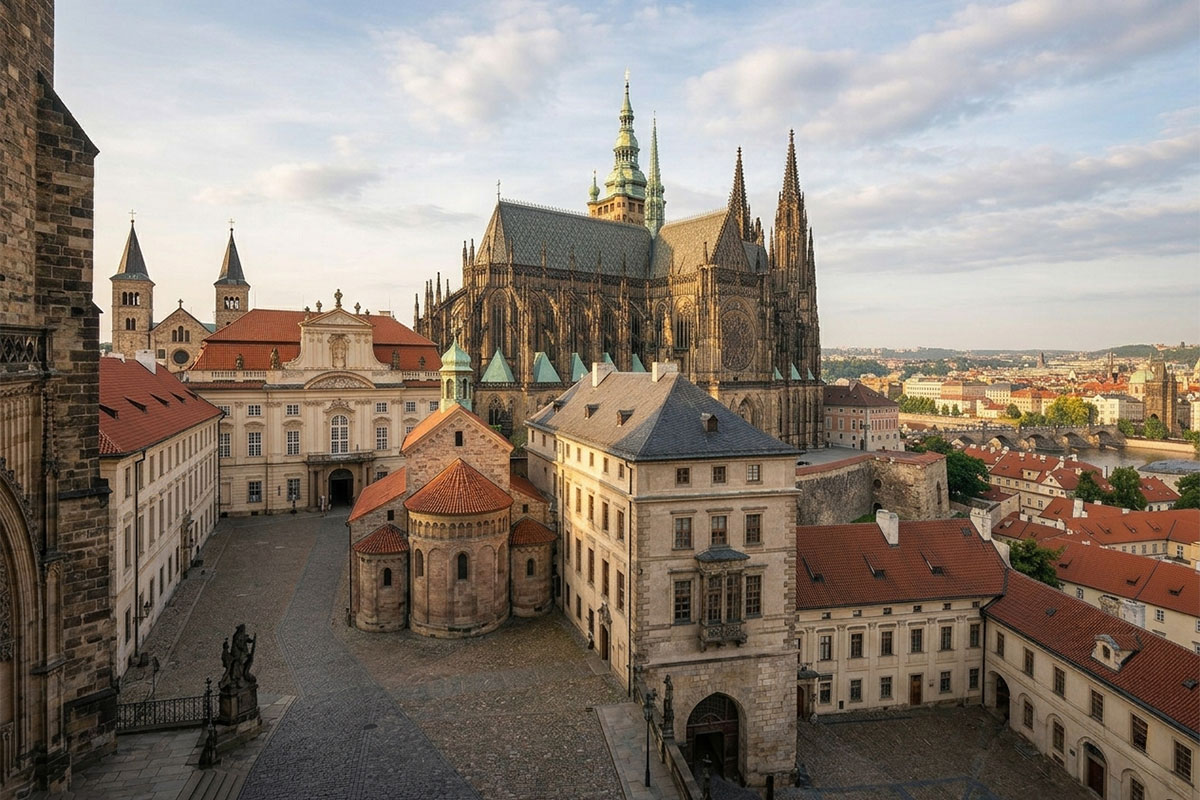
Undoubtedly the centerpiece of the castle skyline, St. Vitus Cathedral is a masterclass in French Gothic architecture and the most photogenic structure within the walls. Construction began in 1344 but took nearly 600 years to complete, resulting in a fascinating blend of medieval authenticity and neo-Gothic completion. For photographers, the sheer verticality of the cathedral presents a delightful challenge. The exterior is dominated by flying buttresses that look like stone ribs holding the structure together, allowing for the massive windows that characterize the style. When photographing the exterior, try to find angles that emphasize these soaring lines against the sky, particularly during the golden hour when the sandstone glows with a warm, honeyed hue.
However, the true magic often lies in the details that many visitors rush past. The facade is teeming with intricate sculptures and gargoyles, each with a unique personality, ranging from terrifying demons to humorous caricatures of the architects themselves. These elements serve both a functional purpose as rain spouts and a symbolic one, warding off evil spirits. Moving inside, the atmosphere shifts dramatically. The vast interior is illuminated by stained glass windows, including the famous panel designed by Art Nouveau master Alphonse Mucha. The play of colored light dancing across the grey stone pillars creates an ethereal atmosphere that is difficult to capture but incredibly rewarding.
Key Gothic Elements to Capture
- The South Tower: Capture the contrast between the Gothic base and the Renaissance helm added later.
- The Golden Gate: Focus on the intricate 14th-century mosaic depicting the Last Judgment, which glimmers brilliantly in direct sunlight.
- Flying Buttresses: Use a telephoto lens to compress the layers of stone arches, highlighting the structural complexity.
- Gargoyles: Look for the most expressive faces high up on the eaves; they add a human (or monstrous) element to the grand architecture.
Romanesque Roots: The Basilica of St. George
Just a few steps away from the towering St. Vitus, the architectural mood changes abruptly as you face the Basilica of St. George. Founded in the 10th century, this is the oldest surviving church building within the castle complex and offers a stark, grounding contrast to its Gothic neighbor. The basilica is a prime example of Romanesque architecture, characterized by thick walls, rounded arches, and a sense of heavy, fortified solidity. The striking brick-red Baroque façade, added in the 17th century, often confuses first-time visitors, but behind this colorful mask lies a pure, austere Romanesque soul that demands a different photographic approach.
The interior of St. George’s Basilica is a study in limestone and shadow. Unlike the light-filled cathedral, this space feels crypt-like and intimate. The heavy stone vaults and the semi-circular apse transport you back to the early Middle Ages. The twin towers of white marlstone, named Adam and Eve, are iconic features that pierce the sky. 'Adam' is the stouter southern tower, while 'Eve' is slender and leans slightly, symbolizing the traditional medieval view of the relationship between genders. Capturing the texture of the rough-hewn stone against the smooth plaster provides a tactile quality to your images that digital screens often lack.
Renaissance Elegance: The Royal Garden and Summer Palace
Leaving the heavy stone of the medieval period behind, the Royal Garden and Queen Anne’s Summer Palace (the Belvedere) introduce the grace and symmetry of the Renaissance. This style arrived in Prague in the 16th century, bringing with it a focus on proportion, human scale, and harmony with nature. The Summer Palace is often cited as the most beautiful Renaissance building outside of Italy. Its defining feature is the delicate arcade of slender columns that wraps around the rectangular building, creating a rhythmic pattern of light and shadow that is a dream for architectural photographers.
The roof of the Belvedere, resembling an inverted ship's hull covered in copper, has developed a beautiful green patina over the centuries, contrasting wonderfully with the creamy sandstone walls. In the garden in front of the palace, the Singing Fountain offers another focal point. Cast in bronze, it requires a close-up approach; if you crouch down and place your ear against the basin, you can hear the rhythmic sound of the falling water ringing against the metal, a sensory detail that adds depth to the visual memory. The Renaissance areas of the castle are less about imposing power and more about the enjoyment of life, art, and science.
Comparing the Eras: A Visual Guide
To help you distinguish and document these styles effectively, here is a breakdown of the key characteristics found throughout the castle complex:
| Architectural Style | Key Building | Defining Visual Features | Best Photography Angle |
| Romanesque | Basilica of St. George | Thick walls, small windows, rounded arches, heavy masonry. | Low angle capturing the twin white towers against a blue sky. |
| Gothic | St. Vitus Cathedral | Pointed arches, ribbed vaults, flying buttresses, verticality. | Wide-angle from the third courtyard to capture the sheer scale. |
| Renaissance | Summer Palace (Belvedere) | Symmetry, arcades, horizontal lines, sgraffito decoration. | Frontal view emphasizing the rhythmic columns and copper roof. |
| Baroque | Theresian Wing / Facades | Grandeur, dramatic use of light, painted facades, symmetry. | Detailed shots of the window frames and the grand entrance gates. |
The Old Royal Palace: Where Styles Collide
The Old Royal Palace is perhaps the most intriguing structure for those fascinated by architectural evolution because it does not adhere to a single style; rather, it grows out of the ground in layers. The lower levels retain the Romanesque sobriety of the Soběslav Palace, while the upper floors burst into the late Gothic flamboyance of the Vladislav Hall. This hall is an engineering marvel of its time. The intricate rib vaulting on the ceiling looks less like structural support and more like intertwined dry thorns or floral patterns. It was designed to impress, spacious enough to hold indoor jousting tournaments, which explains the 'Rider’s Staircase'—a set of steps shallow and wide enough for horses to ascend.
Photographing the Vladislav Hall can be tricky due to the mixed lighting, but the large Renaissance windows allow natural light to flood the space, illuminating the wooden floors and the complex ceiling. This space represents the transition period perfectly—the structure is Gothic, but the windows are Renaissance. It is a visual representation of a world in flux, moving from the medieval mindset to the early modern era. Don't forget to visit the Bohemian Chancellery room; the window here is famous not just for its view, but as the site of the Second Defenestration of Prague, an event that triggered the Thirty Years' War. The history here is palpable, framed by the very architecture that housed it.
Golden Lane: Small Scale, Big Character
No documentation of Prague Castle is complete without a stroll down Golden Lane. In stark contrast to the monumental palaces and cathedrals, this narrow street is lined with tiny, colorful houses built into the castle fortifications. Originally constructed for the castle guards in the 16th century, these miniature dwellings later housed goldsmiths (hence the name) and artists, including Franz Kafka. The architecture here is humble, vernacular, and incredibly picturesque. The low doorways, tiny windows, and vibrant pastel colors—blues, yellows, and pinks—create a storybook atmosphere.
From a photography perspective, Golden Lane offers a break from wide-angle grandeur. It invites you to focus on textures: the peeling paint, the cobblestones, the iron latches, and the dried herbs hanging in the windows. The challenge here is managing the crowds, as the lane is narrow. Early morning or late afternoon visits are essential to capture the lane's charm without a sea of heads. Look for the upper level, the defense corridor, which connects the houses and displays medieval armor and weaponry, offering yet another texture—cold steel—to your portfolio.
Beyond the Main Styles: Spotting Baroque and Beyond
While Romanesque, Gothic, and Renaissance styles dominate Prague Castle, keen observers will also notice elements from later periods. The Baroque style, characterized by its grandeur and dramatic flair, is evident in certain facades and interior details, particularly within the Theresian Wing. Look for ornate window frames, sculpted details, and a theatrical use of light and shadow. Though less prominent, hints of Rococo and even early Classicist influences can be found in smaller decorative elements and garden designs. These later additions demonstrate the castle's continuous evolution and adaptation to changing tastes.
Final Thoughts for the Visual Traveler
Prague Castle is not merely a tourist attraction; it is a testament to human creativity spanning a millennium. For the photographer and the architectural enthusiast, it offers an endless array of compositions, textures, and stories. By understanding the distinct styles—from the grounded Romanesque and the soaring Gothic to the balanced Renaissance—you can create a visual document that captures the true essence of this magnificent complex. As you walk through the courtyards and gardens, remember to look up, look down, and look closely. The beauty of Prague Castle is often found in the dialogue between the stones of different centuries, whispering their history to those willing to listen.